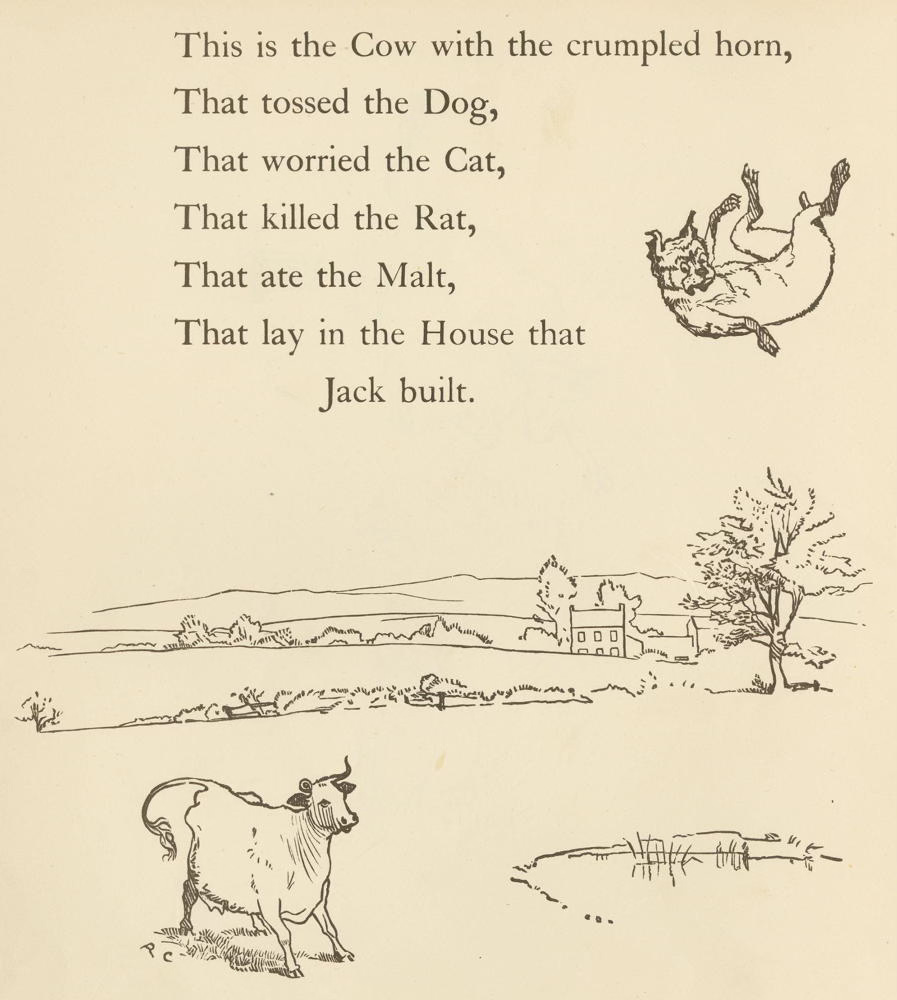
Weekly Writing Summary For The Week Ending 03/12/2026
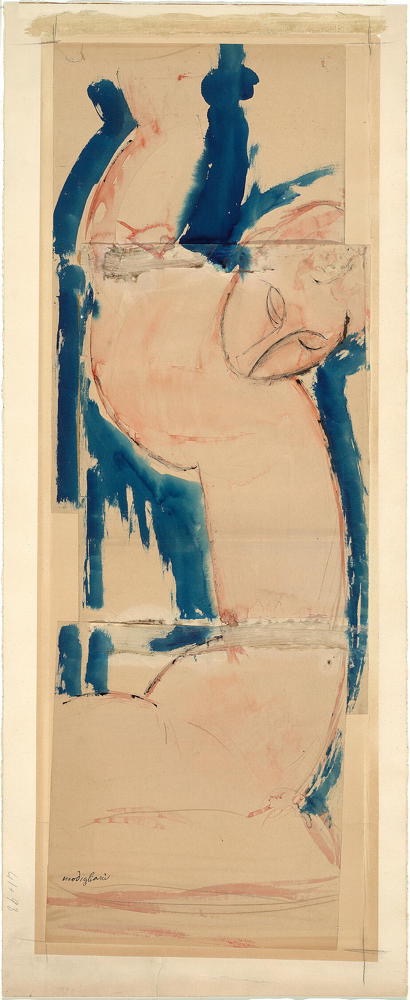
Amedeo Modigliani: Caryatid: Rose and Blue (1912–14)
This writing week, I entered the final glide path for this Unscrolling Series. My purpose no longer remains the mystery it was when I began, and yet I have not yet discovered the full meaning of this excursion. I have learned, or I believe I’ve learned, that my purpose here was never to learn how to stop scrolling, however much I might have aspired to achieve that end when I began. I realized last week or the week before, that Unscrolling would become gratefully unattainable, another one of those innocent aspirations the Gods rarely satisfy. No need to wonder why, for that becomes obvious in the failing effort to succeed. At some indefinite point, success becomes what I would have earlier characterized as failure, and all continues to be righter than I ever suspected with this world.
I began this writing week investigating one of the founding memes of this meme-laden era, Meta’s ultimately discredited MoveFast/BreakThings motto. I then confessed to some deeper dabbling with and broadening appreciation for the much-maligned AayEye. I characterized the episodic Social Media life as Episidiodic, one of my more clever created terms. I asserted, from exasperated personal experience, that modern life demands more SelfDiscipline than any previous era. I then characterized Social Media practice, as presently practiced, as a form of UnEnlightenment. I ended this writing week with a deeply personal reflection on the cost of Social Media amplifications in SmallSlanders. Thank you for following along!
— — —
Weekly Writing Summary
MoveFastBreakThings
“This concludes today’s lesson in engineering futures.”
This Unscrolling Story recounts how we go about engineering futures and might explain how things come to be the way they are.
When Facebook embraced “Move fast and break things,” they believed their speed and boldness would create a brilliant future. But in chasing innovation, they unwittingly created vulnerabilities and a culture where haste overshadowed caution. What started as a brash motto ultimately shaped their destiny—leaving them to confront the unintended consequences of breaking things they never intended to harm.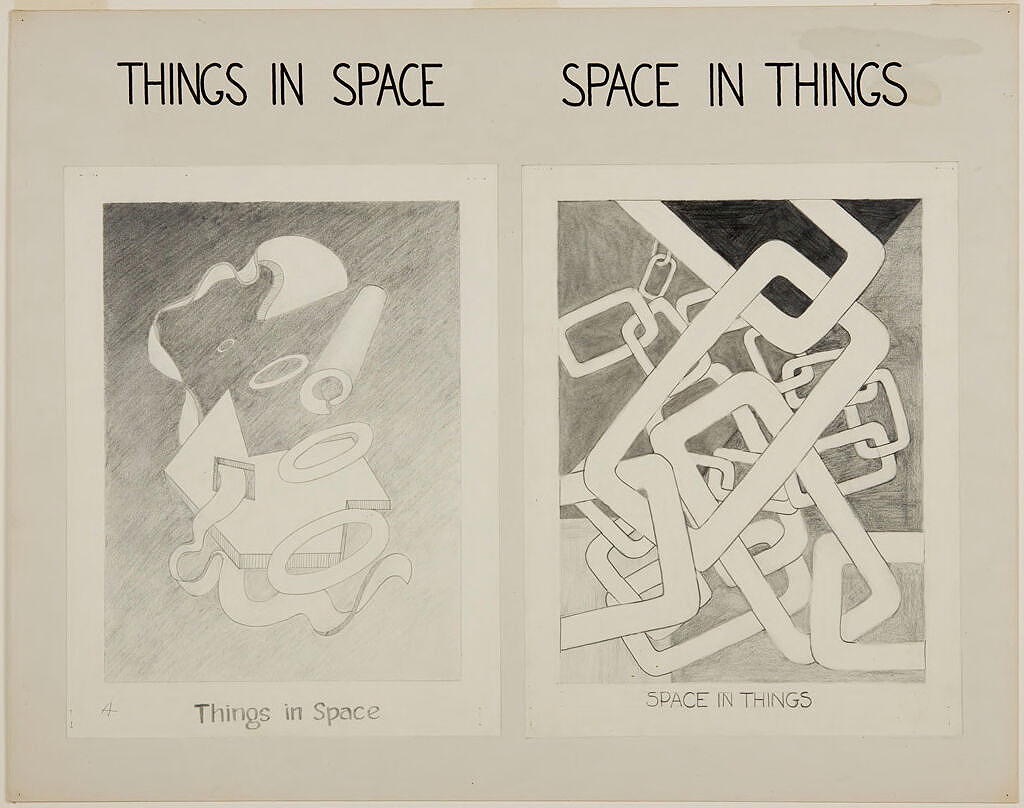
Unidentified Artist: Things in Space/Space in Things (1942-1949)
——
AayEye
“We’re stuck in some middle.”
This Unscrolling Story finds me considering artificiality and intelligence: AayEye.
To me, Social Media seems driven by artificiality, with Artificial Intelligence blurring the lines of what intelligence even means. As machines get smarter, we keep redefining intelligence, often realizing we know more about what intelligence isn’t than what it might be. The Clever Hans Effect shows how easily we can mistake tricks for true understanding. Ultimately, both intelligence and artificiality seem endlessly shifting, leaving us in a confusing middle ground.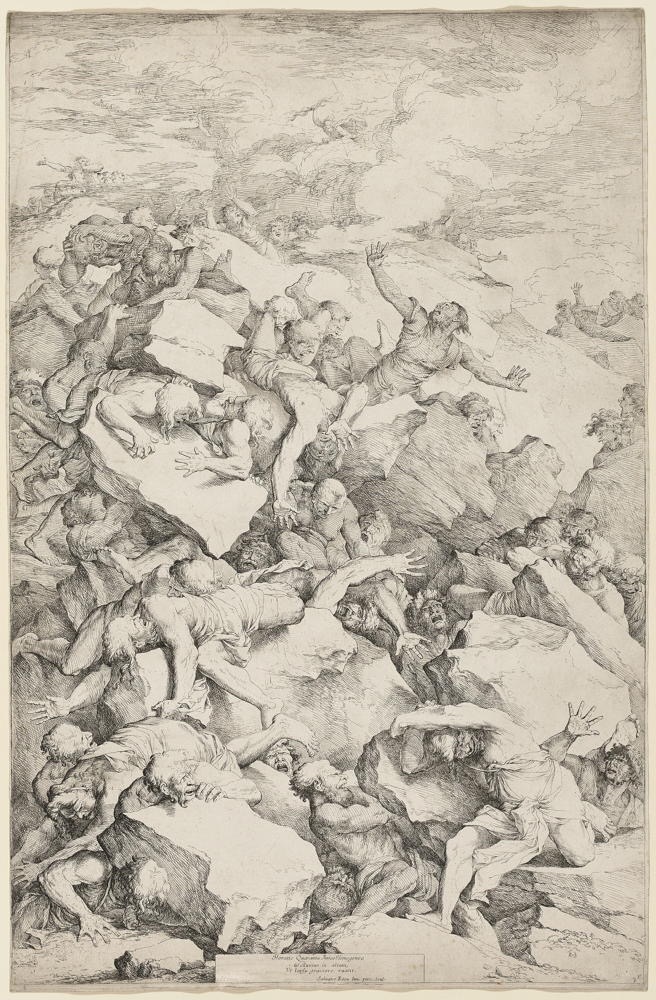
Salvator Rosa: The Fall of the Giants (1663)
——
Episidiodic
“This creates a different context for living than I was expecting.”
This Unscrolling Story finds me investigating how episodic streaming seems. It’s missing its broader narrative arc. Under its influence, so am I.
These days, my life feels less like a sweeping story and more like a series of unconnected episodes—much like a Social Media stream or a streaming series waiting for the next release. With age, the grand narrative has faded, replaced by smaller moments and ongoing, unfinished stories. I find myself living in a world of unresolved episodes, which feels both unexpected and strangely fitting.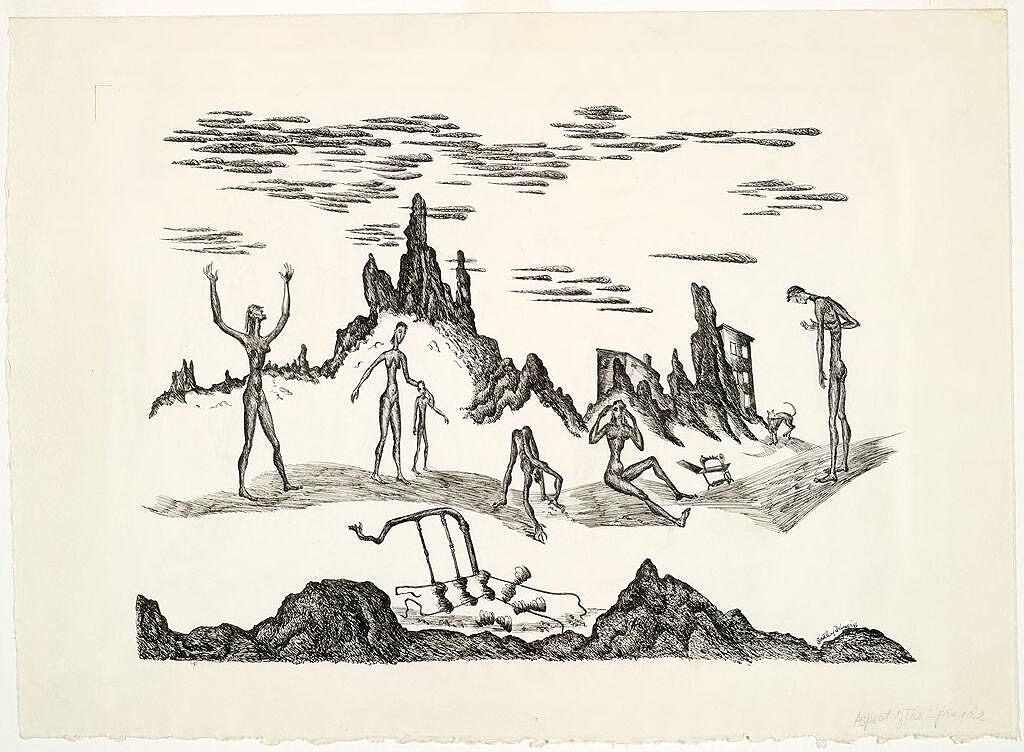
Dorothy Dehner: Damnation Series: Aspect of the Episode (1946)
——
SelfDiscipline
“Well-produced but vacuous undertakings.”
This Unscrolling Story speaks of a SelfDiscipline modern life insists we each develop.
Living now demands more SelfDiscipline than ever before. In my lifetime, the options for entertainment and distraction have exploded—from a single fuzzy radio station along the Columbia River Gorge to instant satellite broadcasts and endless streaming. With all this freedom comes the challenge of managing myself. I deliberately miss some meals, keep the TV tucked away, and meditate daily just to stay centered. Still, I often fall prey to distractions and scrolling, struggling to hang onto the SelfDiscipline I’ve never quite mastered. I measure my worth by what I can live without, suspecting most modern conveniences are more peril than blessing.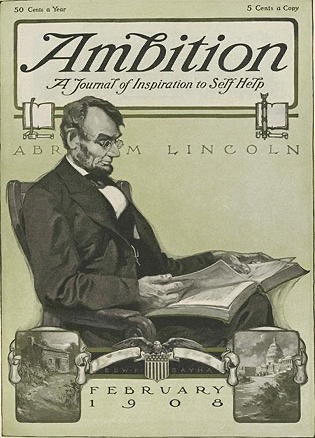
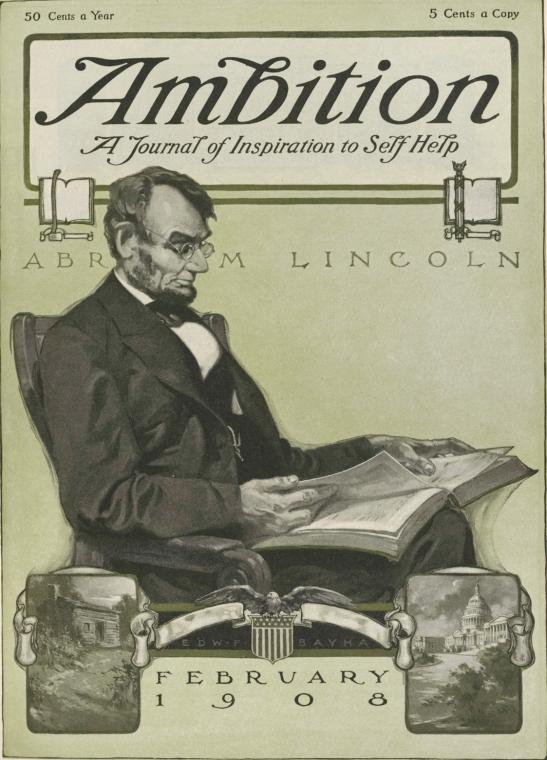
Ambition; a journal of inspiration to self-help, [Cover] (February, 1902) — International Correspondence Schools (Publisher) — General Research Division, The New York Public Library. “Ambition; a journal of inspiration to self-help, [Cover]” New York Public Library Digital Collections. Accessed March 10, 2026. (https://digitalcollections.nypl.org/items/39f65f90-c608-012f-027d-58d385a7bc34)
——
UnEnlightenment
“Rumors of information’s demise on social media have been greatly exaggerated.”
This Unscrolling Story considers the disharmonic resonance, the UnEnlightenment, that our social media presence seems to create.
Social Media, as I see it, doesn’t create harmony but amplifies incoherence and disharmony, spreading a kind of collective unrest. Our current climate even allowed an utterly incoherent leader to rise, something previously unimaginable. The dream of connecting everyone has revealed just how inhuman we can be together, each of us adding to the discord. We act out, invent enemies, and become guilty of the very disharmony we claim to despise. Social Media feeds on these fissures, amplifying them until we’re all victims—winners and losers alike.
Some hope these divisions might eventually heal us, but I’m not so sure. Our online selves seem more concerned with attention than genuine community, seeking exposure rather than real connection. We show off, preach, and screech, mistaking noise for engagement. I think the key now is to disrupt this poisonous resonance and rediscover our underlying goodness, something we’ve too often neglected in our Social Media lives.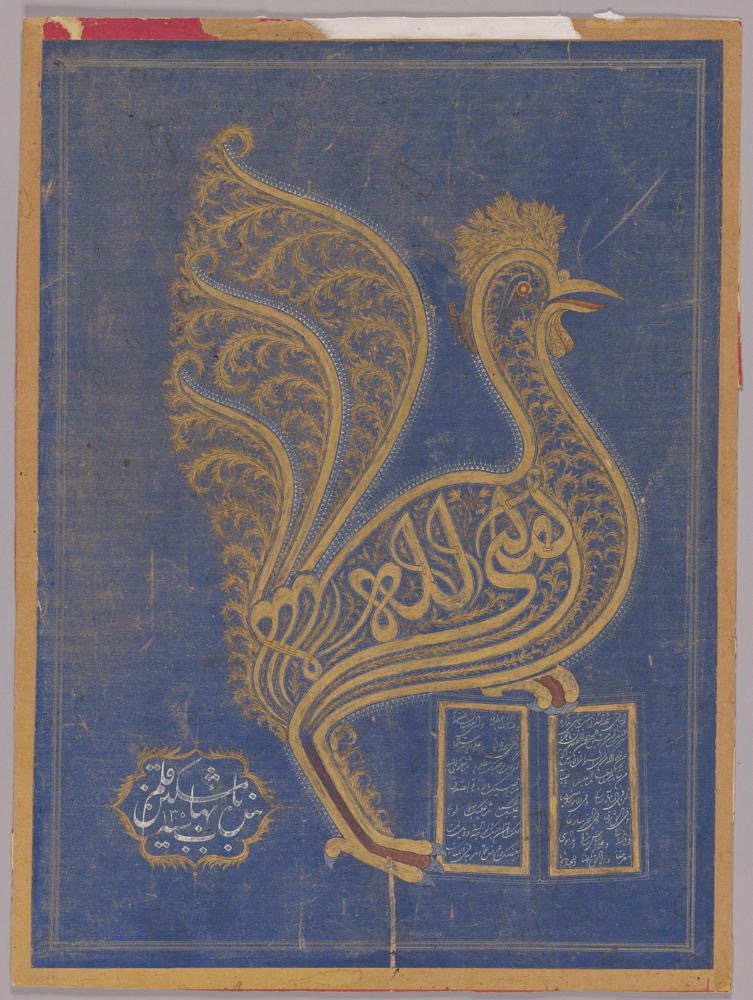
Calligraphy by Mishkin Qalam: The Name of “Baha’ullah” in the Form of a Rooster (1887-1888) — Creation Place: Middle East, Iran
——
SmallSlanders
“…therein lies its rub.”
This Unscrolling Story speaks to the SmallSlanders our Social Media amplifies.
Early American newspapers may have been full of slander, but their reach was limited. Today, Social Media quickly amplifies even the smallest accusations—SmallSlanders—turning them into widespread controversies. I’ve seen this firsthand when The Muse, serving as a local commissioner, became the target of unfounded rumors and heated online attacks after a routine decision. Social Media now seems to encourage a guilty-until-proven-innocent mentality, making it nearly impossible to defend against even baseless claims. Attempts to clarify are seen as further deception, and the echo chamber effect only intensifies the attacks. Social Media itself is just a medium, but those using it often underestimate its power to magnify discord. It’s become a place where we assert more than we question, creating more confusion and conflict than real conversation.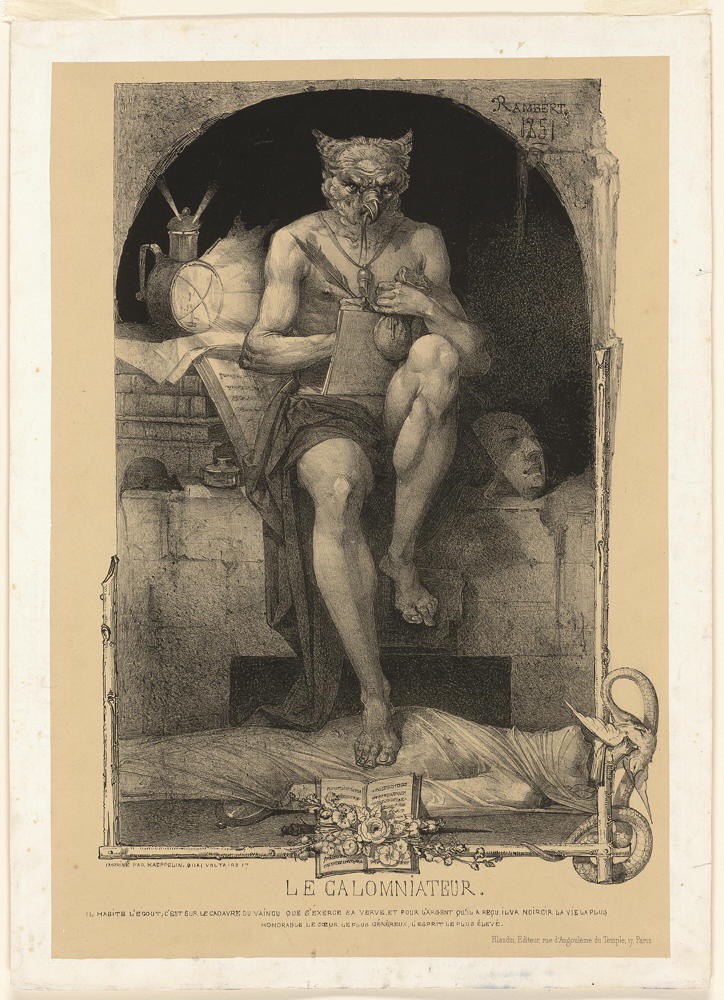
Charles Rambert: The Slanderer (1851)
——
Eternity Waits For Both Authors And Fools
Jack Kerouac set a wholly unrealistic precedent when he drafted his 1957 Beat Generation classic, On the Road. He famously wrote it on a continuous 120-foot roll of tracing paper sheets that he taped together. He created this roll, known as “the scroll,” in a three-week burst of typing in April 1951, to avoid interrupting his creative flow to change pages, resulting in a single-spaced, paragraph-free draft. This result underwent further editing before publication, though the myth stuck that a skilled writer really should produce flawless prose from simple stream of consciousness typing, even though that most often amounts to a streaming form of unconsciousness ignorning important communication conventions like spelling, grammar, and even coherence.
A printed published work must necessarily be published several times before final publication, each attempt nearly perfect yet not nearly perfect enough. The ultimately acceptable work might not seem as immediate as that long-ago first draft seemed, but it almost always has been materially improved for all the useless-seeming effort required before anyone’s willing to waste otherwise perfectly useful ink on it. Then, it’s for the ages, not for the moment of inception anymore, and whimper as every author might after the humbling final efforts, this world might even be better for the baffles introduced by that copyeditor and the other publishing professionals, who might not have ever had the talent Kerouac had.
A published work cannot be of a moment. It must necessarily be of a broader timeframe, one with many more facets. Whatever light might shine from the finished product will not, cannot, be uniformly experienced. In an alarmingly real sense, every reader will experience a different work than the author intended in the moment of first inception, a moment, like every other, certain to be lost almost the minute it visits. Attempting to retain that moment has been the downfall of many more than one publishing effort.
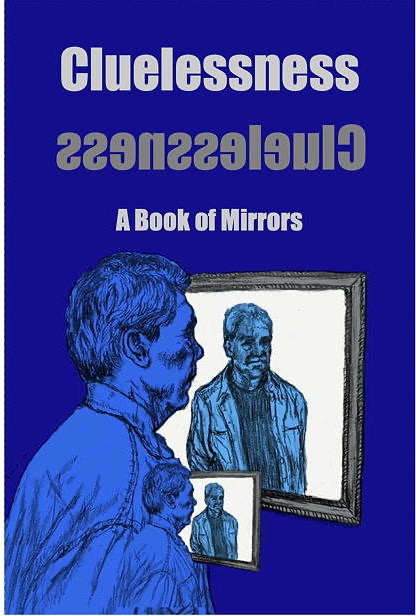
After another week spent trying to satisfy the final criteria before publishing my Cluelessness manuscript, a new barrier surfaced this week: miscommunication. I’d fully specified my changes to the galley proofs three weeks ago via email, though I couldn’t figure out how to submit the changes on the required forms. I finally managed to submit those forms incorrectly, but still submitted them, and that sparked a response from the final edit editors, only to learn that they’d ignored one of my most important directives because it wasn’t “usual.” I responded that I thought, as the author, my judgment might reign on this one issue. Maybe next week, I’ll see the final approved galley proofs. Contrary to popular myth, eternity waits for both authors and fools.
Thank you for following along!
I employed Grammarly, a commercial AI-powered text editor, to create the above story summaries, prompting with: “Please briefly summarize this story in the first person while retaining the original voice.” I manually copy-edited each result.
©2026 by David A. Schmaltz - all rights reserved
Good For A Goose

Decency (90)
Decency Unscrolling (1)
EndDays (92)
Exiled (90)
Fambly (93)
FollowingChapters (93)
Grace (92)
Humor (2)
iAlogue (1)
Letters to the Editor (1)
NextWorld (91)
Personal (18)
Prosperity (23)
Steam Festival (4)
Unscrolling (89)
Vaporized (6)
Work (16)
June 2026
May 2026
April 2026
March 2026
February 2026
January 2026
December 2025
November 2025
October 2025
September 2025
August 2025
July 2025
June 2025
May 2025
April 2025
March 2025
February 2025
January 2025
December 2024
November 2024
October 2024
September 2024
August 2024
July 2024
June 2024
May 2024
April 2024
March 2024
November 2006
October 2006
September 2006
August 2006
July 2006
June 2006
May 2006
April 2006
March 2006
February 2006
January 2006