Weekly Writing Summary For The Week Ending 03/05/2026
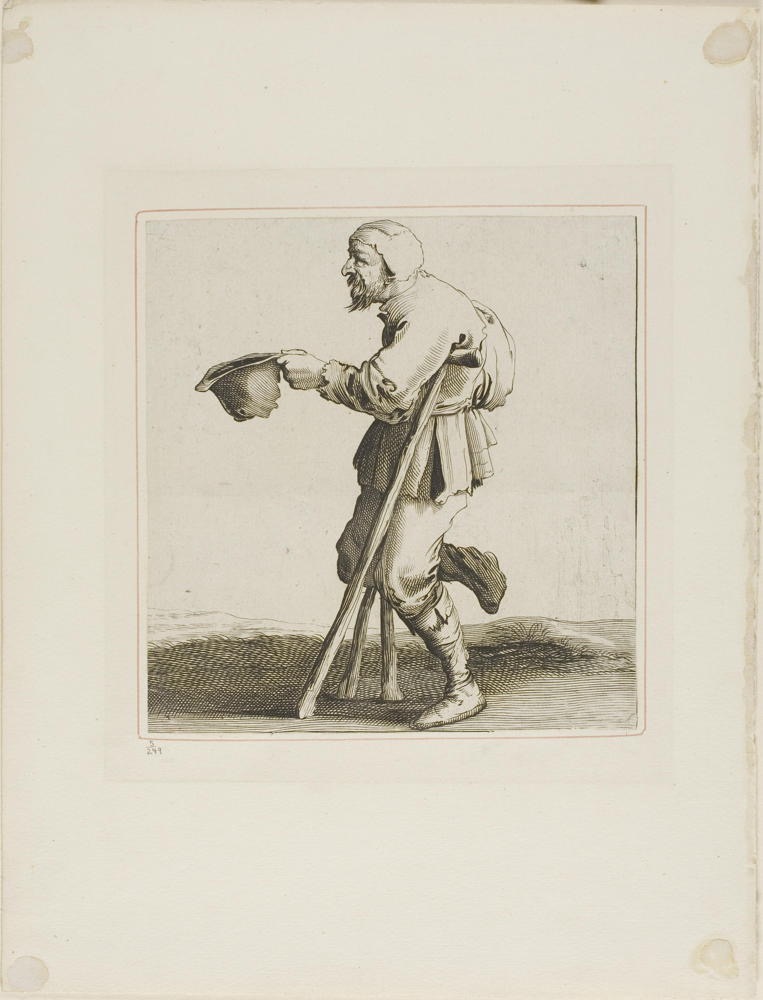
Pieter Jansz Quast: Lame Beggar Asking for Alms,
from T is al verwart-gaern [It’s already confusing]:
(n.d.; Artist's working dates 1612–1650)
This Writing Week marked the transition into the final scant three weeks remaining in this Unscrolling Series. I realized—or, re-realized—that I would not be abandoning my scrolling as a result of my investigating into my nefarious habit or addiction. I’m coming to accept that scrolling amounts to a part of modern living. I should not feel surprised if it sometimes seems to suffer from the same self-importance that encourages most everything these days. It seems to be fairly integrated, however much it’s occasionally hated. I scroll in greyscale now, and I doubt that I’ll ever return to color display on my iPhone. I know, greyscale hides some essential detail. That’s precisely why I chose it. Scrolling devils seem to lurk within full-color display.
I began this writing week acknowledging that technology seems destined, if not necessarily designed, to go off TheRails. If something routinely fails, failures must then be more feature than problem. I then celebrated a SickDay, they come so infrequently and provide me with some different perspective. Scrolling seemed the perfect SickDay companion. I whined a bit about the available news social media delivers: UnNews. I reflected on what occurs within any PostTruth society, like this one, where we’re still clumsily adapting to this unsettling reality. I next reported how social media specializes in spreading Rumor and little else. I ended this writing week with my head and my iPhone in the Cloud, the seeming source and destination of all social media scrolling. Thank you for following along!
— — —
Weekly Writing Summary
TheRails
“It was never my intention to become a tester for Unscrolling technology.”
This Unscrolling Story finds me wondering how I might tell if my technology might be going off TheRails on me.
I’ve learned that new technology usually arrives before we’re truly ready for it, leading to inevitable failures and surprises. As an early adopter, I’ve grown used to updates that cause more problems than they solve, and I see how complexity now makes proper testing nearly impossible. Recent headlines—from a young woman’s struggles with social media addiction to the Pentagon’s ethical clash over AI for autonomous drones—show how unprepared we remain for the consequences of our inventions. I try to stay cautious, letting others face the first wave of problems, and do what I can to avoid getting swept up in the enthusiasm over the latest tech trends. My goal is simply to avoid going off the rails, even if I can’t always see where those rails might be.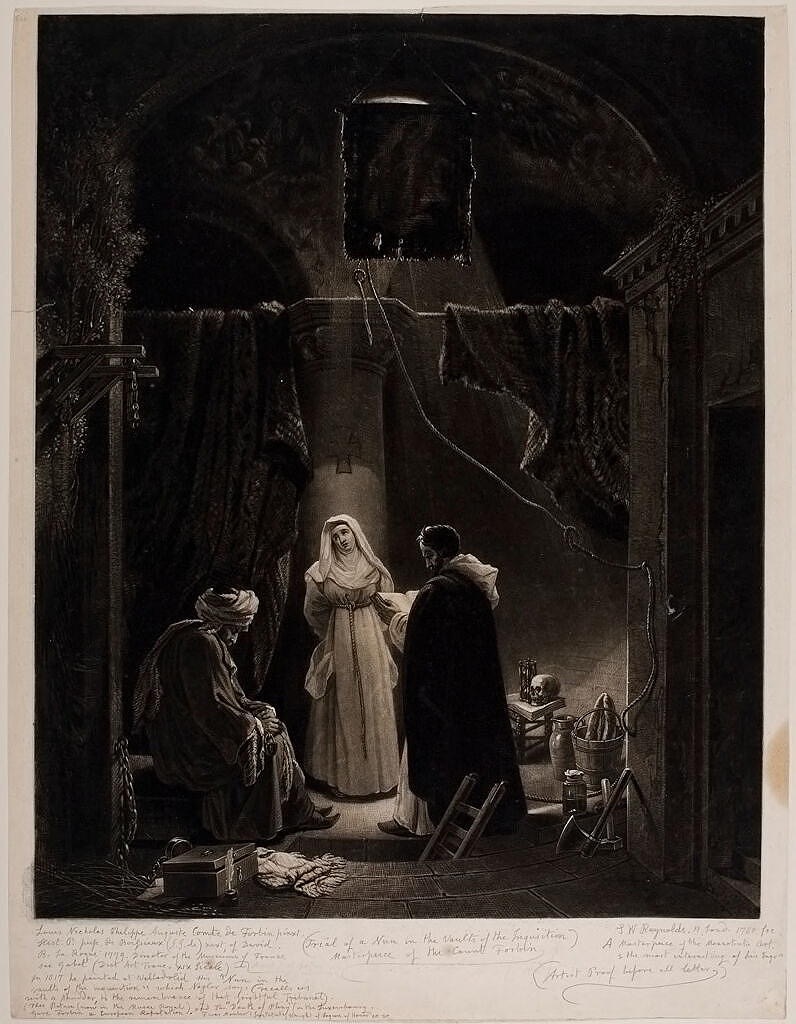
Samuel William Reynolds I: Trial of a Nun in the Vaults of the Inquisition (19th century)
——
SickDay
“Engage in some extended scrolling and call me the next morning if you’re ever experiencing a SickDay.”
This Unscrolling Story finds me touting scrolling as a perfectly acceptable SickDay companion.
I once thought this Unscrolling project was about quitting social media, but I’ve realized scrolling isn’t all bad. On a recent SickDay, instead of feeling isolated like I used to, I found comfort and a sense of connection in my social media feed. It helped me pass the day, feel less alone, and even made it easier to recover. Sometimes, scrolling might even be exactly what I need.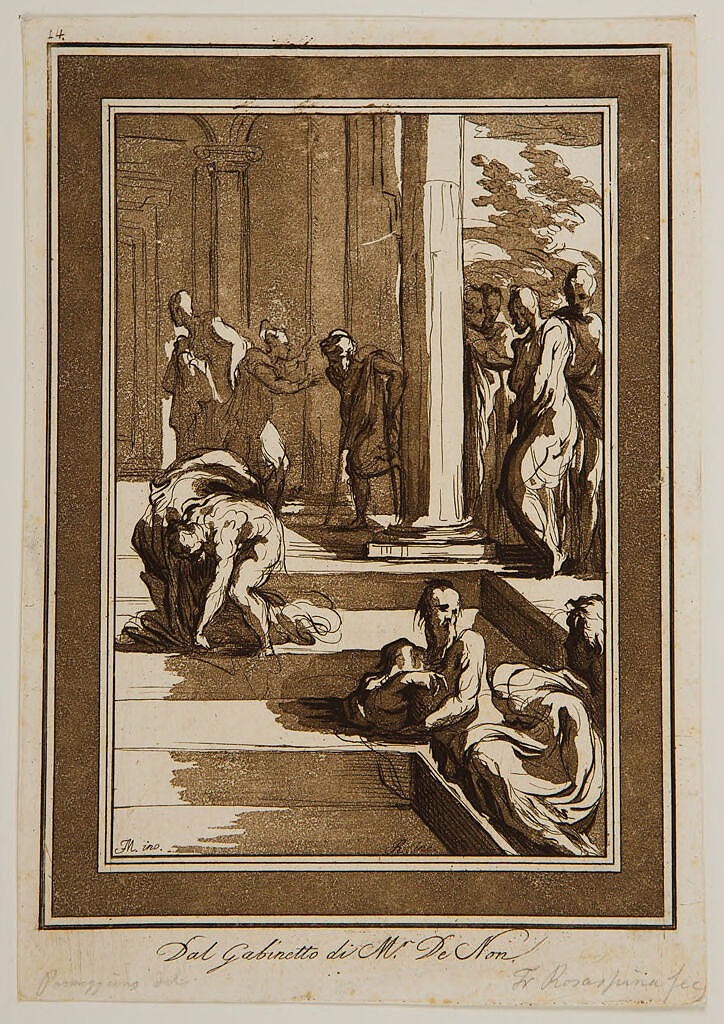
Francesco Rosaspina: Healing the Sick (18th century)
——
UnNews
“There’s nothing new under this sun.”
This Unscrolling Story finds me fruitlessly scrolling through my social media feeds seeking what inevitably always turns out to be UnNews.
Social media feels like an egalitarian’s dream—anyone can be a writer or journalist, and every opinion or mundane moment can find an audience. After big events, like the recent attack on Iran, real information seems to be the first thing to disappear. I recognize how easy it is to become dependent on this nothingness. Social media is proof that information can fail to inform and news can lack substance. It rarely causes real harm, but it does threaten my sense of peace, constantly raising expectations it never fulfills. It may look authoritative, but it’s mostly just a flood of misinformation—still nothing new under the sun (again).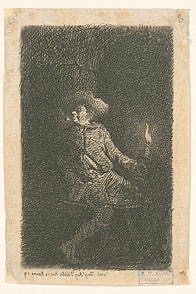
Samuel Putnam Avery (Collector), Charles Emile Jacque (Etcher), Auguste Delâtre (Printer of plates): Un homme dans une cave. [A Man in a cave.] (1842) —- The Miriam and Ira D. Wallach Division of Art, Prints and Photographs: Print Collection, The New York Public Library. “[Un homme dans une cave.]” New York Public Library Digital Collections. Accessed March 2, 2026. (https://digitalcollections.nypl.org/items/6d488120-c611-012f-7b0d-58d385a7bc34)
——
PostTruth
“Social Media ultimately seems simply nihilistic, an homage to PostTruth meaninglessness and little else, even though it attracts engagement.”
This Unscrolling Story finds me wrestling with social media’s PostTruth context and its ramifications.
I avoid social media because it rewards lies and blurs the line between truth and fiction. I used to think I was immune, but I’ve realized I’m as vulnerable as anyone to its distractions and cynicism. Even leaders now embrace outrage and falsehoods for attention. In this PostTruth world, it’s hard not to start lying to myself, too. Social media ultimately feels empty and meaningless, making me question if anything truly matters if truth gets lost.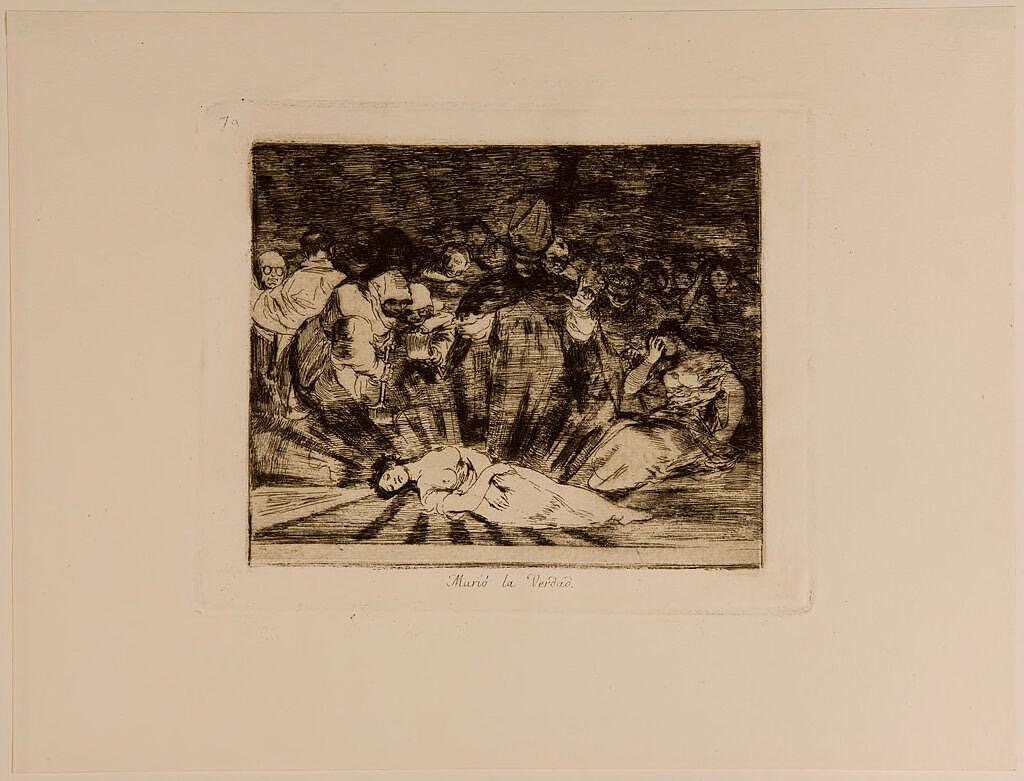
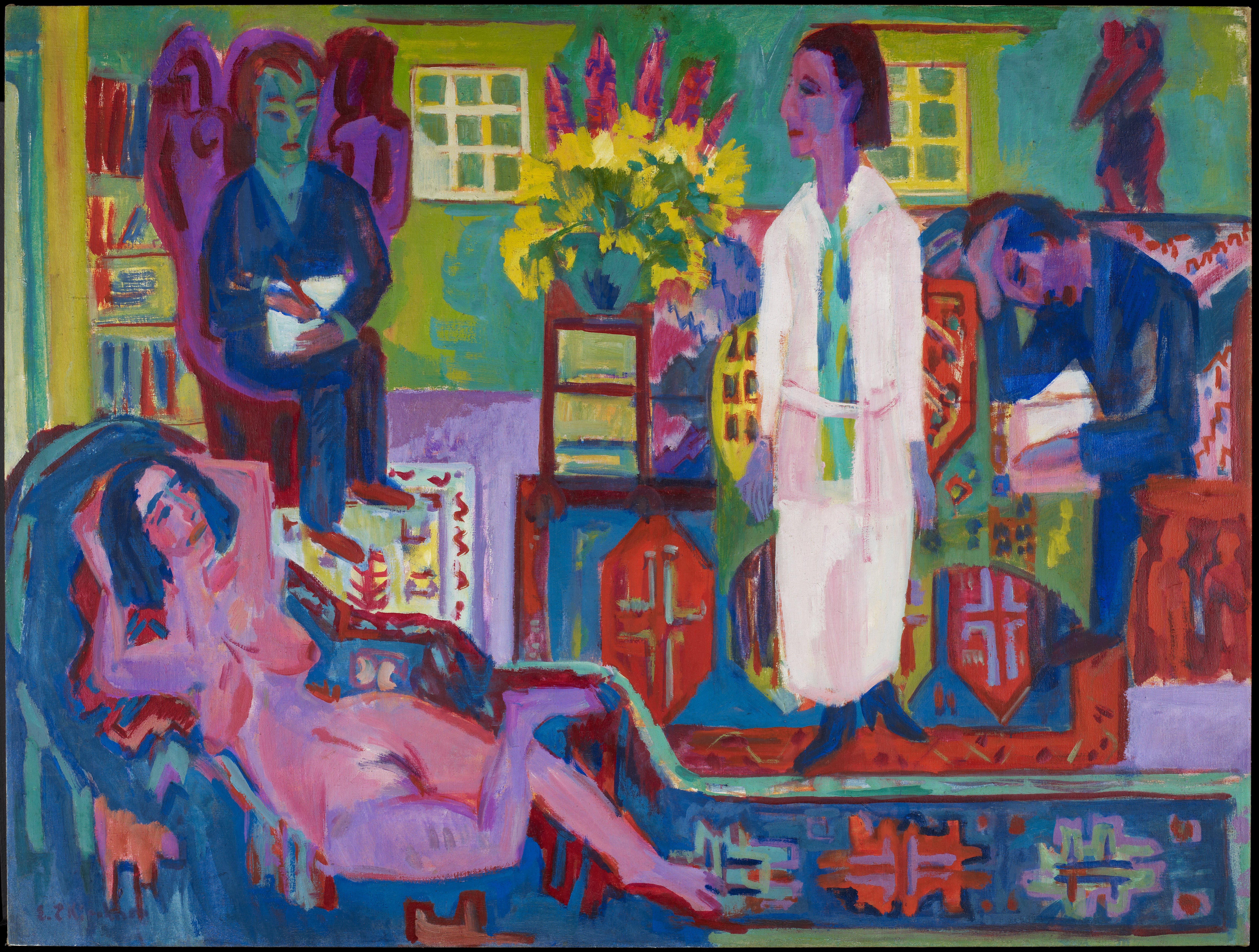
Ernst Ludwig Kirchner: Modern Bohemia (1924)
——
Rumor
“Rumors of information’s demise on social media have been greatly exaggerated.”
This Unscrolling Story finds me running down another Social Media-amplified Rumor.I see social media as a world built on rumor, where truth and fiction blur and almost everything should be doubted. It’s hard to tell what’s real, so I rely on a few trusted sources and treat the rest with disbelief. Life online feels unreliable and chaotic, and I’ve learned to navigate it with caution and a healthy dose of skepticism.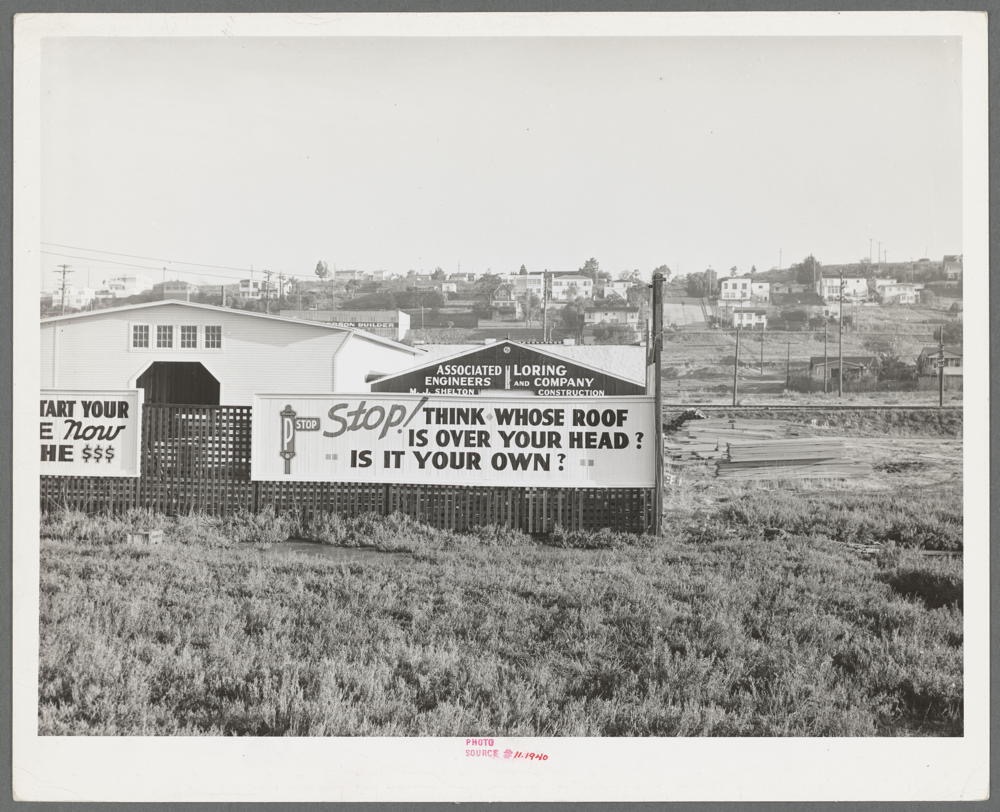
Russell Lee: “Sign at lumber company. San Diego, California. Building supply companies in San Diego are doing a tremendous rush business, and there are rumors (unverified) of a shortage in building materials.” [Farm Security Administration Photographs] (12/1940) — The Miriam and Ira D. Wallach Division of Art, Prints and Photographs: Photography Collection, The New York Public Library. “Sign at lumber company. San Diego, California. Building supply companies in San Diego are doing a tremendous rush business, and there are rumors (unverified) of a shortage in building materials.” New York Public Library Digital Collections. Accessed March 4, 2026. (https://digitalcollections.nypl.org/items/140a3880-7017-0137-9e01-05b46baa16fe)
——
Cloud
“Those who fear our future fear themselves.”
This Unscrolling Story speaks to what was supposed to occur invisibly whenever anyone scrolls.
My iPhone grabs my focus like a manic Van Gogh, but most of what captivates me comes off The Cloud—a mysterious, essential network of data centers powering everything from my scrolling to my thermostat. These concrete, windowless buildings serve as the almost invisible backbone of our digital lives, consuming resources and drawing growing local opposition as they multiply. People fear their environmental impact, but I see them as both a necessity and a likely source of prosperity—if we’re smart about managing them. As our world grows ever more connected and reliant on The Cloud, I’m left wondering if the real challenge is learning not to fear the future.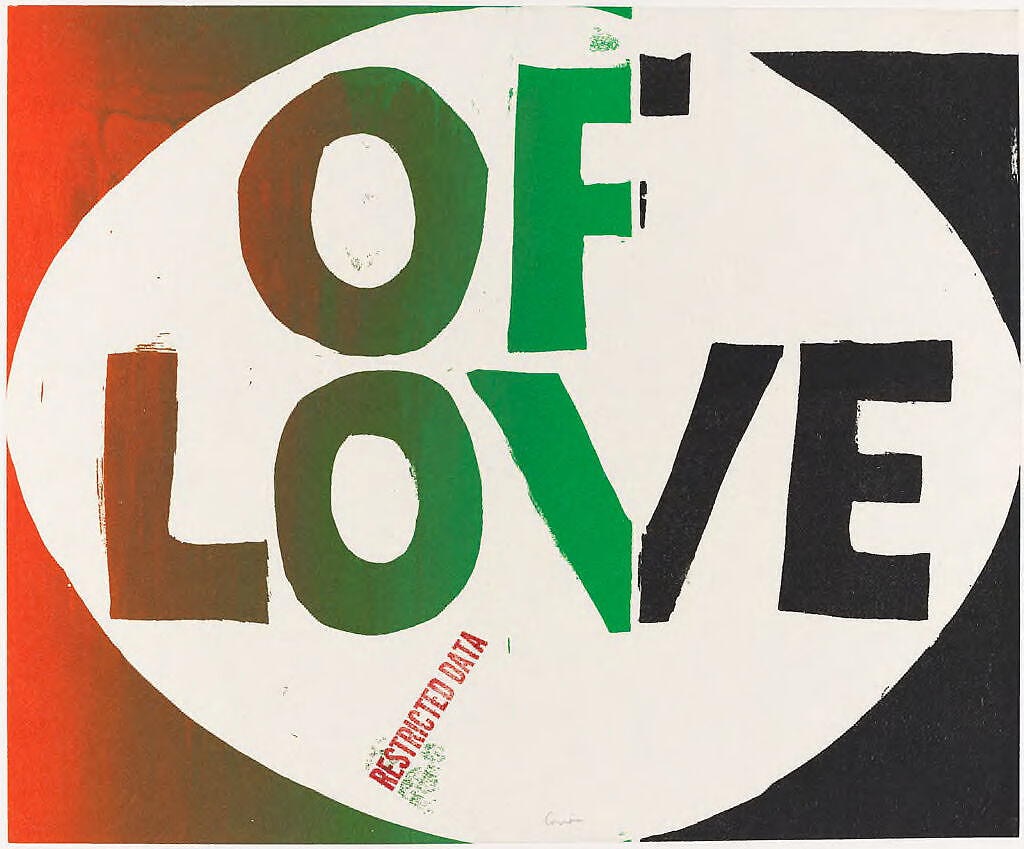
Corita Kent (Sister Mary Corita): of love (1967) — Persistent Link: https://hvrd.art/o/328973 — Physical Descriptions:Screen print — Dimensions: 38.1 × 45.7 cm (15 × 18 in.) — Inscriptions and Marks: Signed: l.c.: Corita — (not assigned): Printed text reads: OF LOVE RESTRICTED DATA [stamped in red ink] — Standard Reference Number — Corita Art Center Cat. #67-42 — Harvard Art Museums/Fogg Museum, Margaret Fisher Fund © Courtesy of the Corita Art Center, Immaculate Heart Community, Los Angeles / Artists Rights Society (ARS), New York
—— 
I Never Know How
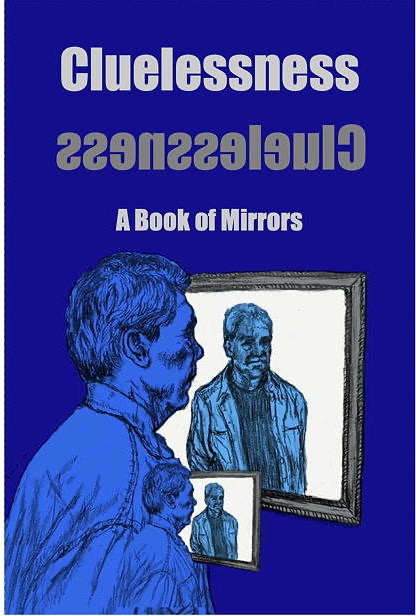
It’s been two weeks now since I announced the impending publication of my Cluelessness, A Book of Mirrors. The effort remains in that sort of Limbo that bureaucracies sometimes seem to have been invented to encourage. What would our experience here be without at least the possibility of some Limbo intruding into our naive plans?
My last exchange with my publishing partner involved his demanding that I should be able to complete a form I could not complete, as a necessary precondition for publication. This seemed like a run-of-the-mill contradiction, a completely normal double bind. I placated by replying that I would try, thinking that he might follow up in a less demanding mood after a respectful period of my unresponsive silence. I usually prefer to wait out these delays because they cannot ever be resolved under the terms they manifest.
It never matters how much anyone insists that another should be able to do something they cannot do. Shoulds might insist upon getting involved, though they only ever complicate the plot. I sent a follow-up last night, suggesting that if he knew what I should put on the form, perhaps he could put that on the form, send it to me, and I could just agree that it represents what I’d hoped that form would hold. I am nothing if not Cluelessness in action!
I have been a square peg in this publisher’s process since the beginning of our relationship, coming on fifteen months ago. I was supposed to have figured out how to navigate their publishing portal, though I struggled, as usual, to just make it past the PastWord portion of their production. Once inside, I wandered as lonely and mystified as any cloud. I was offered too many choices for me to choose from. I’d lose continuity and have to just quit the window I’d somehow stumbled into. I never once successfully filled out even the least of their many online forms. Their attempt to automate their process complicated it beyond reason. I would inevitably try to return a form I’d improperly filled out, but fail to understand where I’d gone off the rails. Every step felt like the ordeal it was. I’m amazed that the final proof ultimately passed muster, or will, I’m certain, once I finally gain access to it so that I can sign off on the effort, … probably on another form.
Publishing should rightfully seem darned near impossible. It properly involves a multitude of second-guessing: copyediting, proofreading, and even more deeply considering contents. Once completed, no do-overs are allowed. The errors remain for the ages, and a few errors will inevitably remain. I’m wise to approach completion hesitantly, even though I feel like a fool, unable to complete a form deemed necessary before the effort can be considered finished. I never know how to do anything! Thank you for following along!
I employed Grammarly, a commercial AI-powered text editor, to create the above story summaries, prompting with: “Please briefly summarize this story in the first person while retaining the original voice.” I manually copy-edited each result.
©2026 by David A. Schmaltz - all rights reserved
Good For A Goose

Comeuppance (31)
Decency (90)
Decency Unscrolling (1)
EndDays (92)
Exiled (90)
Fambly (93)
FollowingChapters (93)
Grace (92)
Humor (2)
iAlogue (1)
Letters to the Editor (1)
NextWorld (91)
Personal (18)
Prosperity (94)
Steam Festival (4)
Unscrolling (89)
Vaporized (6)
Work (16)
September 2026
August 2026
July 2026
June 2026
May 2026
April 2026
March 2026
February 2026
January 2026
December 2025
November 2025
October 2025
September 2025
August 2025
July 2025
June 2025
May 2025
April 2025
March 2025
February 2025
January 2025
December 2024
November 2024
October 2024
September 2024
August 2024
July 2024
June 2024
May 2024
April 2024
March 2024
November 2006
October 2006
September 2006
August 2006
July 2006
June 2006
May 2006
April 2006
March 2006
February 2006
January 2006