Weekly Writing Summary For The Week Ending 07/16/2026
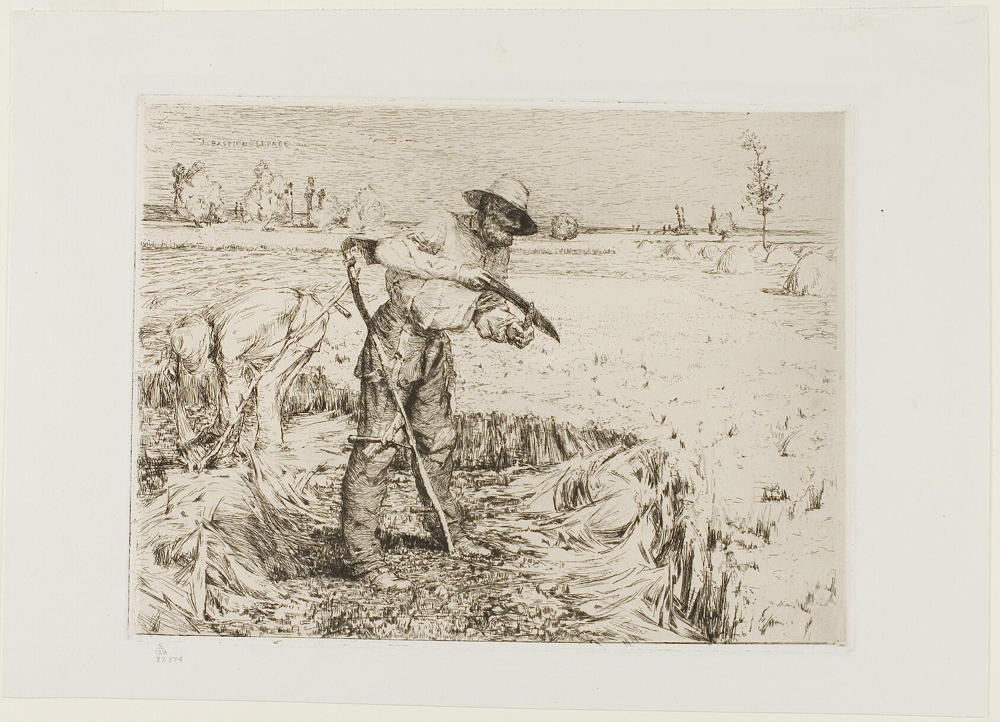
Jules Bastien-Lepage
Mower Honing a Scythe
(1878)
This week's Prosperity dispatches arrived in a week that ranged from the moral architecture of ResponsibleFor to the liberating grace of Freely, from the Fleeting Prosperity of Portland's lost most recent golden years to the non-Mammon discovery of an ancestor's homestead patent, from the faith-based initiative of MakingSpace to the fish tacos and wildfire of Bounty. The road trip that found Evan and Sara Parker Wallace's eighty acres in Umatilla County — and nearly stranded us inside an evacuation zone — produced this week's essential installment. Prosperity simultaneously means Bounty and danger. Lightning doesn't need to strike in the same place twice to leave an indelible mark.
Thank you for following along!
— — —
Weekly Writing Summary
ResponsibleFor
“…vulnerable to every odd pebble inadvertently flying around.”
This Prosperity Story examines how Prosperity inevitably expands the scope of what one is ResponsibleFor — and discovers that the owner/renter worldview we carry into our homes we also carry into our workplaces and our citizenship.
In this Prosperity Story, I considered how Responsibilities shift when Prosperity appears. Before, the arc of responsibility might have extended no further than oneself. Afterward, it inevitably becomes ever more expansive and inclusive. Those who lobby for protection from taxation never seem to also ask for equal protection from the protections those taxes purchase. The Muse could be a poster child for the imaginative owner and the scope of what they’re functionally ResponsibleFor — she contributes to charitable causes not because she can necessarily afford to, but because she can’t imagine affording not to. Those libertarians influenced by Ayn Rand who still believe they should remain an island of resistance against anything they label communist live in the glassiest houses, vulnerable to every odd pebble flying around.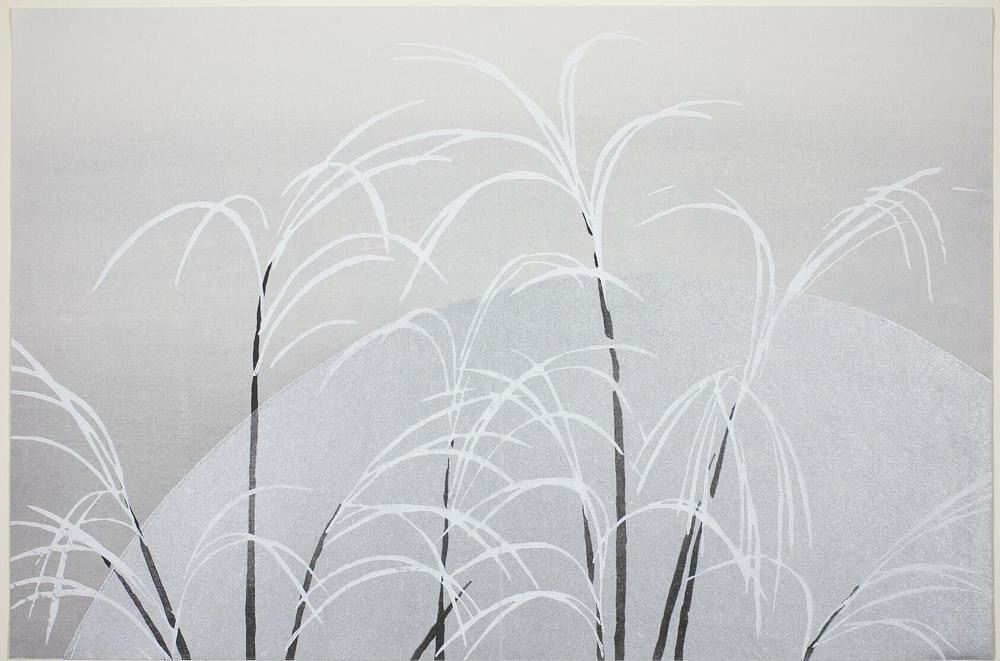
Kamisaka Sekka Moon over Musashino, from the series “Worlds of Things (Momoyogusa)”(1909/10)
——
Freely
“…liberating everyone involved.”
This Prosperity Story finds Prosperity’s most generous expression in giving things away — a patio table finally delivered to a new neighbor, the Beer Fairy working the neighborhood overnight, and the Pendleton blanket left anonymously on a porch.
In this Prosperity Story, I considered how Prosperity increases the possibility of simply giving stuff away. The Muse and I eventually abandoned the usual pretext for conducting yard sales and dispensed with price tags entirely, explaining that everything was going for the same low price: Free! Yesterday, I finally managed to give away a patio table that had been gathering grime in what was originally intended as a flowerbed — Lawn Crap, by which I mean anything that must be moved to successfully mow a lawn. It might be that nobody ever truly owns anything until they feel they can afford to Freely give that thing away. In Native American culture, it’s common practice to anonymously gift an expensive Pendleton wool blanket to one who’s done the giver a good deed. These gifts are never acknowledged, but absorbed without explicit recognition, just as they were given. These traditions of Freely giving maintain Prosperity’s dignity and grace better than any practice I can imagine, liberating everyone involved.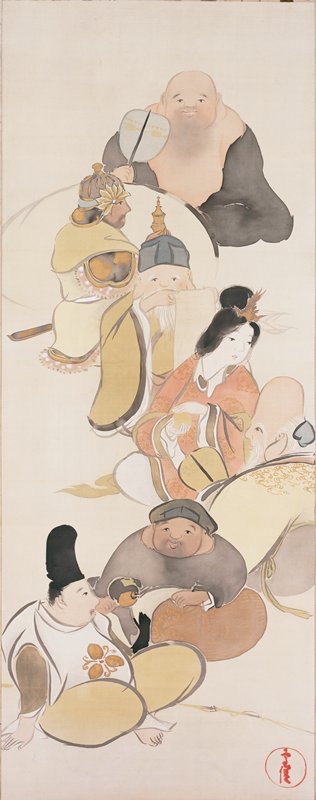
Kamisaka Sekka Seven Gods of Good Fortune (1920s)
——
Fleeting
“Prosperity seemed to come so easily then. Now, it seems Fleeting.”
This Prosperity Story traces Prosperity’s arrivals and departures across a lifetime of regional economic history — from Portland’s forest products exodus to its Saturday Market peak to its current desperation, and back to Walla Walla’s succession of Hail Mary passes.
In this Prosperity Story, a quick trip to Portland reminded me just how Fleeting Prosperity can seem. I lived in Portland, moving there in the year this country turned 200. The city was in deep transition then, shifting from a forest-products economy to sneakers, high technology, and service industries. For a while, it seemed as though Prosperity had finally found a home there again. Now it feels desperate. The once promising has turned shabby, and the formerly Prosperous now borders on the utterly preposterous. Back in our valley, we’re praying for another Hail Mary Pass, like the ones that came to reinstate a Prosperity that never once belonged to us or could ever last. This time, a data center promises respite, though many innocently foment against it. Prosperity always comes in confusing guises, looking unlikely to translate into anything really worthy of our pasts. I remember Nike when it was a crazy man with a misused waffle iron. Prosperity seemed to come so easily then. Now, it seems Fleeting.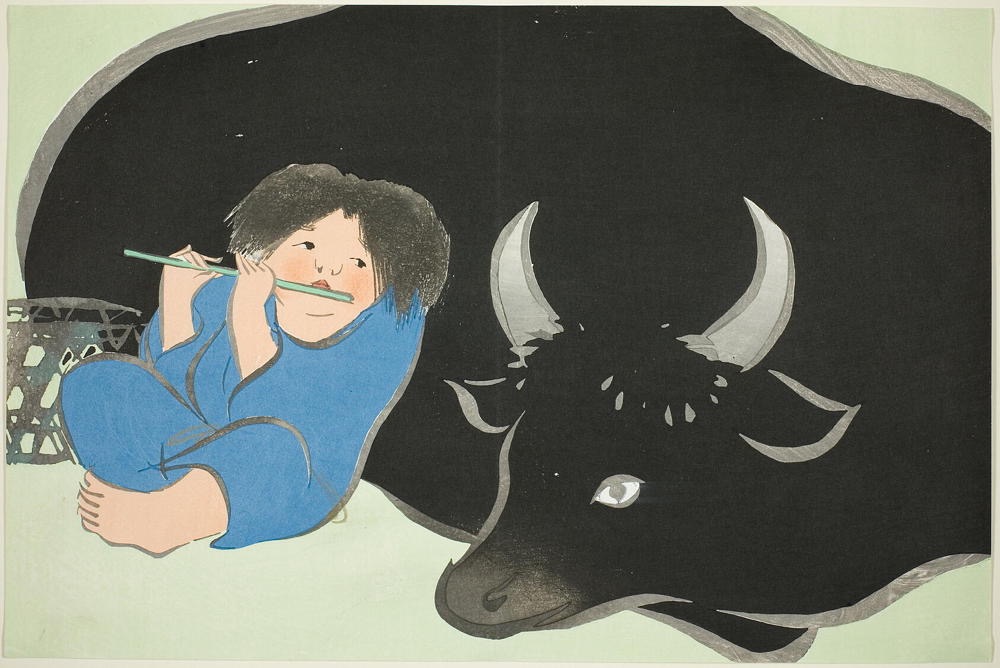
Kamisaka Sekka: Oxherd Flutist, from the series “Worlds of Things (Momoyogusa)”(1909/10)
——
Mammon
“Might this realization have been my purpose in beginning this inquiry in the first place?”
This Prosperity Story discovers non-Mammon Prosperity in a federal land database — finding the precise eighty-acre homestead claim my great-great-grandparents Evan and Sara Parker Wallace filed in 1880, leaving this writer feeling richer than Croesus.
In this Prosperity Story, I happened upon the Department of the Interior Bureau of Land Management database, which allowed me to identify the specific sections of land settled by my Oregon Trail ancestors. Now I know that Evan and Sara Parker Wallace owned, in 1880, in the state of Oregon, Willamette Meridian, Township and range 004N - 035E, the S½NE¼ of Section 24, in Umatilla County, a total of eighty acres under the authority of the May 20, 1862 Homestead Act. This knowledge leaves me feeling immeasurably richer, more prosperous than Croesus, who only ever had Mammon money-property to support his Prosperity. I am not counting pre-existing blessings now, but discovering them. Simply acknowledging this possibility seems to suggest the existence of an overarching meta-Prosperity, one easily available to everybody, too often unrecognized. Might this realization have been my purpose in beginning this inquiry in the first place?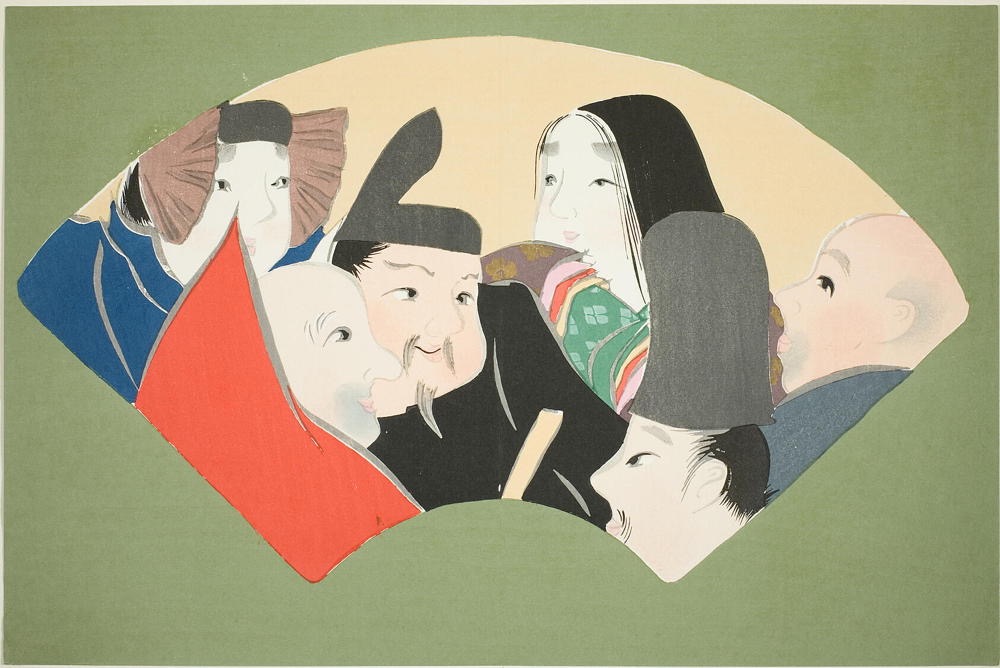
Edward Calvert: Ideal Pastoral Life (1845)
——
MakingSpace
“…I will need to make some space for a miracle to occur.”
This Prosperity Story arrives via three pairs of jeans that finally got culled — and discovers that prior Prosperities, however beloved, can prevent fresh ones from arriving.
In this Prosperity Story, I finally culled three pairs of jeans I once believed I might fit into again one day. Suddenly, my pants drawer had more than enough space. I had retained some prior Prosperities which had been steadfastly preventing fresh Prosperities from entering. My lesson for today might be to remember to make space for some fresh Prosperities wherever my Prosperity presently resides. Many of my treasures exist as markers of my past, monuments to who or what I used to be but am no longer, and never will again be. Such monuments make terrible pets, and encourage a kind of unconsciousness that rarely helps anyone cope with their present circumstances. MakingSpace produces no better than possibilities, but such potential seems essential for fresh Prosperities to arrive. If I want something like Prosperity to happen, I will need to make some space for a miracle to occur.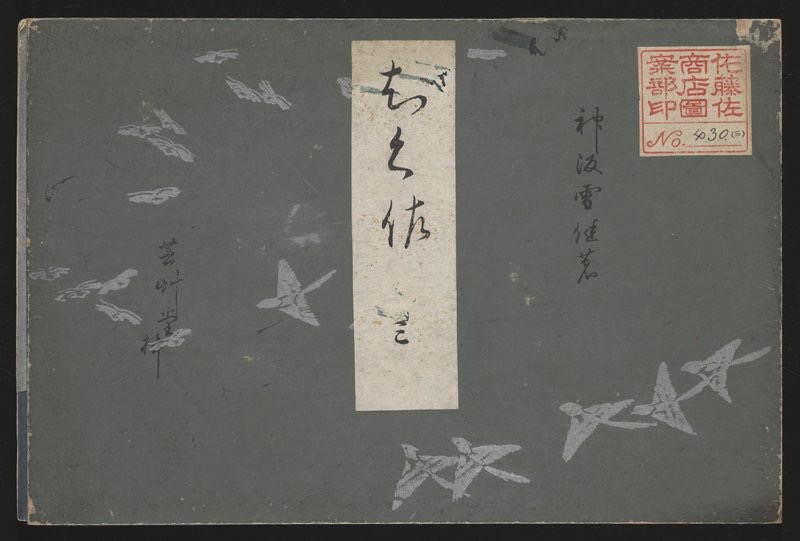
Kamisaka Sekka: All Kinds of Things Color woodblock printed book Publisher: Unsōdōexpand_less (Vol. 3, April 1903)
——
Bounty
“Lightning doesn’t need to strike in the same place twice to leave an indelible mark.”
This Prosperity Story finds Bounty and danger arriving together on the same July afternoon — fish tacos and fig salsa, a road trip to find an ancestor’s homestead claim, and a wheat fire that closed the highway before we could get back to it.
In this Prosperity Story, the Sweet Onion harvest was almost over, the cucumber crop happy, the fig bush groaning with unprecedented fruit. The salsa featured a peach, a cucumber, one huge Walla Walla Sweet Onion, a few figs, a fresh Serrano pepper, garlic, and fresh-squeezed lime juice — the perfect mediator between oily fish flesh and sweet Masa tortillas. The Muse called an audible and decided to accompany me to find precisely where my grandfather’s grandparents had homesteaded. I found the road, though it was posted, Private. I could see the plot above us, further up the draw named Little Dry Creek. By the time we’d returned to the highway, that burned-out fire we’d earlier passed had flared into a furious line of orange racing along a hillside surrounded by ripe wheat fields. An hour later, they’d closed the highway and the road we’d investigated was under an immediate evacuation order. Prosperity simultaneously means Bounty and danger. Lightning doesn’t need to strike in the same place twice to leave an indelible mark. My forebears left shortly after staking this claim. Losing their two oldest sons there might have made that first claim too painful to maintain.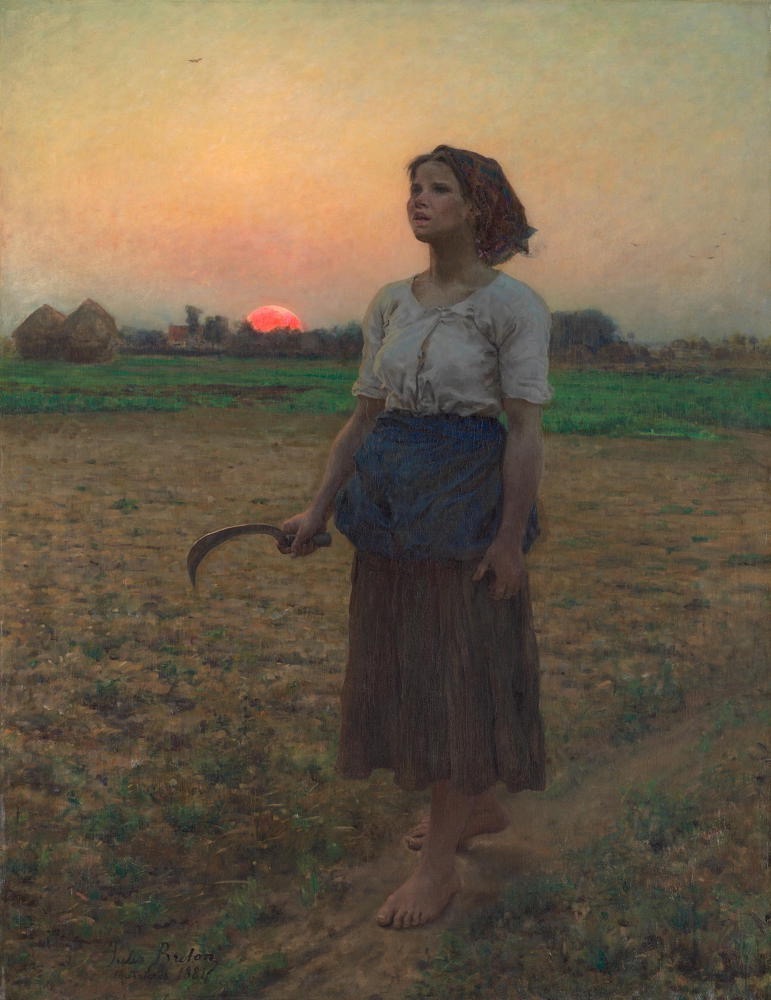
Jules Breton: The Song of the Lark (1884)
——
One Piss-Poor Excuse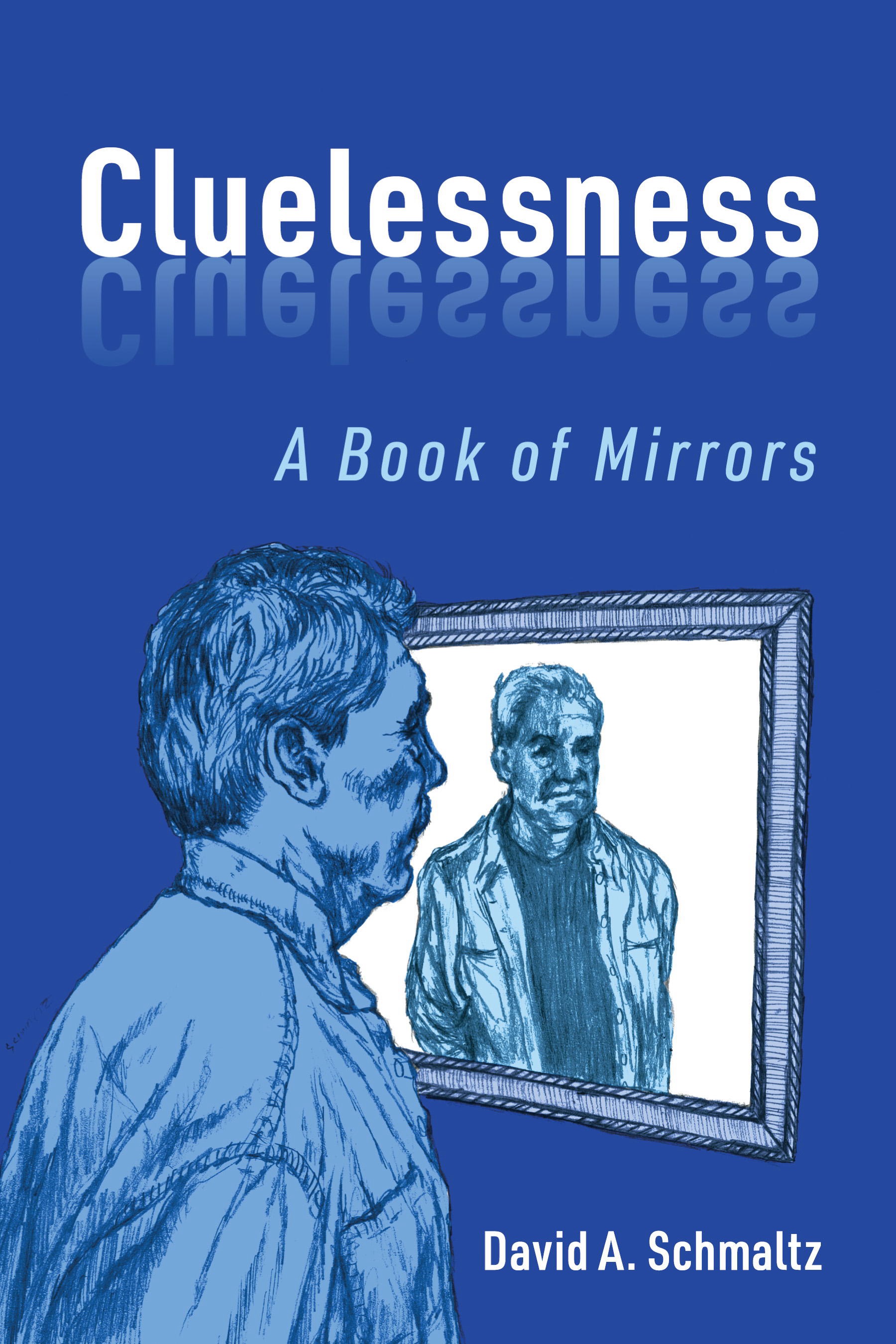
This story might just as well be true. As I reported in my Thursday post, Bounty, The Muse and I encountered a range fire while on a toodle out in the country near here. We had both needed some respite, even though we'd successfully navigated over to Portland and back over the prior weekend to attend Granddaughter Tilda's eleventh birthday party (Japanese food and witchy gifts). It was a long drive, and worth it, even though we experienced detours in both directions that added an extra hour to each leg. We discovered a new secret passage, a route we'd never even known existed until The Schooner's navigation system suggested it. Still, after a few days back, we already felt uneasy, so we stole a toodle out of our Wednesday afternoon.
As I recounted in Bounty, we passed by what appeared to be the smoldering remnants of a range fire as we wandered along an unfamiliar gulch, one parched and partially blackened beneath a brutal hundred-degree sun. We figured somebody must have been watching that field, and the slightly smoking corner seemed benign when viewed from our distance. We commented on the sight, but thought little more of it as we turned the next corner to continue our midweek adventure.
We were not long out of sight of that field when it sure seemed as if the smoke from it was increasing. The Muse, who grew up on a South Dakota wheat farm, was no stranger to field fires, and she became a little alarmed. Again, we figured someone who lived near that field had been keeping a close eye on it. From a distance, it appeared that someone had plowed a decent dirt border around where the fire had scorched. As we continued, the smoke escalated. We drove up to an overlook high above the valley floor, and from there, we could clearly see a conflagration of much greater proportion than before. We didn't hurry, but we didn't tarry, either. We turned around to head back in the general direction of town. On the way, I noticed that the road we'd first turned off to start our little toodle had a police car blocking the entrance to a pick-up.
By the time we'd covered the fifteen miles back to our corner of civilization, that whole horizon was billowing with smoke. We'd seen a mean orange line of ravenous flame racing across a wheat field on our way past, but it had not occurred to me that I maybe should have called in when we first spotted that benign little smoke in the corner of that previously blackened field. I later learned that the field had burned the day before, and a hot spot or two flared up afterward, and nobody was apparently watching all that closely. Had I called when I saw that smoker, I might have prevented what happened.
What happened? That fire went crazy as a line of thunderstorms and strong wind gusts encouraged its nature. It hopped the highway to Pendleton, which was later closed, and surrounded a small town, where everyone had to abandon their property and flee. My grand-niece and her family, two gulches over, had to evacuate, though their home was saved. My nephew, who lives along the Walla Walla River, miles from where we saw that smoker, also had to leave his home and horses, though he lost nothing but his composure in the experience.
Were The Muse and I complicit? Nobody could possibly know, but I have my deep suspicions. I feel every bit as guilty as if I had committed a crime, though The Muse and I are unlikely to do any time. A friend who works for the police department pulled a twenty-hour shift because of this. The homestead where my grandfather's grandparents first overwintered in Oregon, in a tent, was apparently burnt in the fire. The Muse and I were just up there snooping around and not in any way intending to become complicit in burning down anyone's existence. Such innocence has always made one piss-poor excuse.
— —
I'm doing my first book signing for Cluelessness at the venerable Book and Game, on Main Street in Walla Walla, from 11 to 2 on Saturday, July 18. I expect to run out of copies of Cluelessness by noon, so be there early or backorder. You have been warned.
— —
You can order Cluelessness from Bookshop.org, Powell’s Books, or Amazon. Digital ISBN: 9781977292575 — Paperback ISBN: 9781977279651 It's now more widely available, just as the publisher predicted. There's this Kindle link. Link To Publisher's Website Here
I employed Claude.ai, a commercial AI-powered text editor, using it to perform repetitive copy/pasting work and to create the above story summaries, prompting with: “Please briefly summarize this story in the first person while retaining the original voice.” I manually copy-edited each result.
©2026 by David A. Schmaltz - all rights reserved
Good For A Goose

Decency (90)
Decency Unscrolling (1)
EndDays (92)
Exiled (90)
Fambly (93)
FollowingChapters (93)
Grace (92)
Humor (2)
iAlogue (1)
Letters to the Editor (1)
NextWorld (91)
Personal (18)
Prosperity (94)
Steam Festival (4)
Unscrolling (89)
Vaporized (6)
Work (16)
August 2026
July 2026
June 2026
May 2026
April 2026
March 2026
February 2026
January 2026
December 2025
November 2025
October 2025
September 2025
August 2025
July 2025
June 2025
May 2025
April 2025
March 2025
February 2025
January 2025
December 2024
November 2024
October 2024
September 2024
August 2024
July 2024
June 2024
May 2024
April 2024
March 2024
November 2006
October 2006
September 2006
August 2006
July 2006
June 2006
May 2006
April 2006
March 2006
February 2006
January 2006