Weekly Writing Summary For The Week Ending 09/17/2026
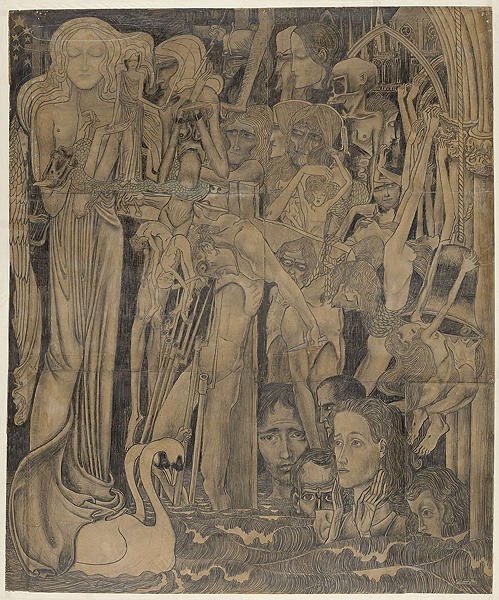
Jan Toorop
Loss of Faith
(1894)
This week’s Prosperity dispatches arrived as the series entered its final approach. The writing ranged from the historical accounting in Legacy to the nonlinear economics in Cascades, from the paradox in Unsecurity to the epistemological honesty in PresumptiveProsperity, from the anthem in ScaryProsperity to the quiet triumph in Restoring. The Muse walked back into her garden. The pickup toodled out to the farm market. The mechanic wouldn’t take a nickel. In these final installments, the series found that Prosperity naturally expands beyond its originating boundaries—and that might be all it ever does.
Thank you for following along!
— — —
Weekly Writing Summary
Legacy
“This will be the work by which future generations will judge patriots.”
This Prosperity Story foreshadows the series’ ending, naming the full cost of repurchasing what was lost, the work required to restore decency alongside Prosperity, and the kind of patriots this work will require.
In this Prosperity Story, I explained the Dialogic method I’ve used to pursue Prosperity through this series—beginning with questions and following the story as it unfolded, letting the subject guide the writer rather than the writer crafting the plot. Prosperity has been demonstrating some facet of its Legacy with every installment. The contrast between Prosperity and those who treated it with such hostility has been genuinely frightening. The illegally arrested and extra-judicially incarcerated, humiliated, and deported will need to be repatriated before we can hold our heads high again. The judgments awarded will rightly cost us trillions, easily overshadowing whatever billions illegal tariffs never quite managed to rake in. We will be purchasing not just Prosperity, but our lost decency. This effort will require real patriots — not those who cosplay cartoon generals, but regular citizens who decide to forego some of their Prosperity to invest in a truly worthy Legacy. This will be the work by which future generations will judge patriots.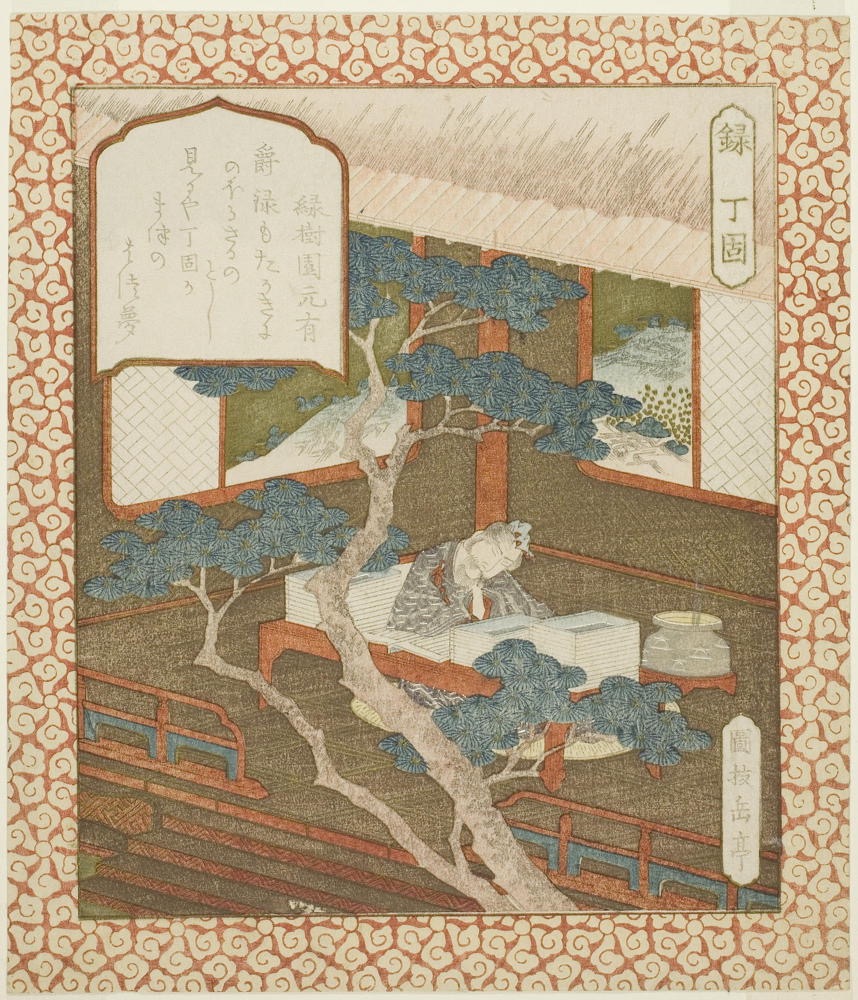
Yashima Gakutei: Prosperity: Ding Gu (Roku, Teiko), from an untitled series of happiness, prosperity, and longevity (c. 1824)
——
Cascades
“We seem at least obligated to deal with this world as it is…”
This Prosperity Story explains why Prosperity and Penury seem to appear and disappear as if by magic. They operate as Cascades rather than linear progressions, through wild splashes in rocky ravines rather than thin, straight wires.
In this Prosperity Story, I considered how Prosperities can rise and fall with startling speed, partly because they do not move linearly. Both Prosperity and penury tend to operate as Cascades. Their values do not travel via thin, straight wires, but through wilder splashes, as if water were racing through a rocky ravine. Our latest fall from Prosperity seems breathtaking by any sober accounting. It seems most likely that studied ineptitude produced this result. There couldn’t possibly have been any army of King’s men and horses that took Humpty Dumpty apart like this, just as there could never be any King’s horses and men that could put old Humpty back together again. Humpty’s broken. I have faith that we’ll find the handle on this crisis, too, but not because I know how we’ll ultimately manage to succeed. That’s why I need faith to believe. We seem at least obligated to deal with this world as it is, rather than as we might have believed it was supposed to be forever and ever. Amen.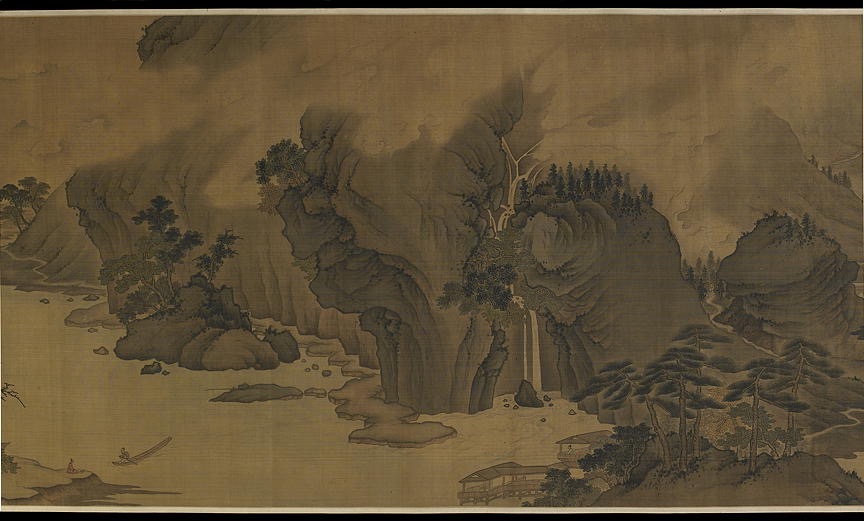
Formerly attributed to Xu Daoning (ca. 1000-after 1066) Autumn river in the rain and clouds (16th century- China)
——
UnSecurity
“… and they usually cost much more than Prosperity ever bargains for.”
This Prosperity Story discovers that those who purchase security with their Prosperity ultimately possess neither—illustrated by Homeland Security, airport frisking, and a Ford Ranger’s anti-theft system that locked out its own owner.
In this Prosperity Story, I considered how our Prosperity was never really secure — its security was usually merely presumed. A perversion of Prosperity insisted that we needed to maintain a more active defense. The concept of Homeland Security was floated and adopted a little too enthusiastically. It became increasingly difficult to maintain a sanguine garden behind the erected battlements, for Prosperity was never designed to be a defensive mechanism. My lowly little pickup truck had just such a defense built in, but since I’d bought it aftermarket from a friend, I had no idea it was present. I learned when I couldn’t get it started after topping off the tank. Claude® offered another explanation: the automatic anti-theft system had kicked in, confused by the fully discharged battery. Being denied entry to my own vehicle was apparently not an insurable condition. Security cannot apparently be very easily purchased. Often, where Prosperity’s concerned, only Unsecurities are regularly available for purchase, and they usually cost much more than Prosperity ever bargains for.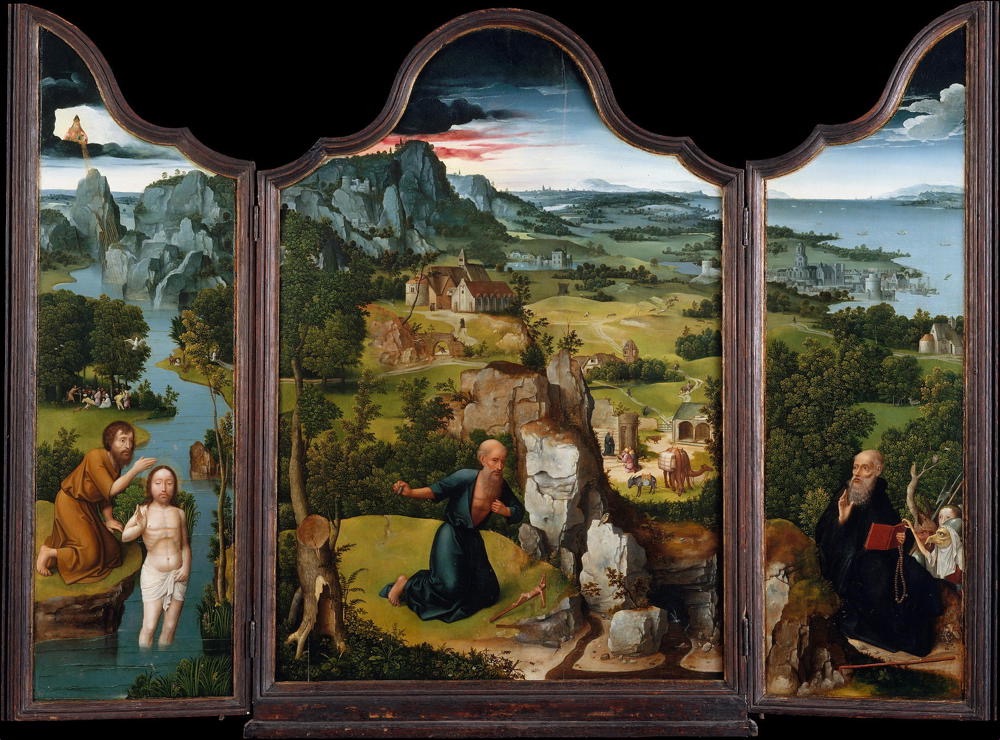
Joachim Patinir: The Penitence of Saint Jerome (ca. 1515)
——
PresumptiveProsperity
“…Prosperity stands in good company because of this.”
This Prosperity Story discovers that all Prosperity must be Presumptive. We operate on more or less carefully constructed explanatory stories adequate to satisfy most inquiries until we encounter some disconnection where our fictions fall apart.
In this Prosperity Story, I considered how my physicist friend can pull full-blown proofs out of seemingly nonexistent air, while I construct my explanatory stories from materially different stuff. I was reminded of this context as I spent two hours removing the battery from my stricken pickup. My physicist friend’s father was an auto mechanic who trained him in the mechanic’s crafts. My father was mechanically like me. Somebody should have posted a sign on the hood of his car declaring that no owner-serviceable parts were under there. We very likely have no realistic idea about how very much of anything works, our Prosperity probably most emphatically notwithstanding. I carry my Prosperity similarly. I have no real clue how it came to be or what sustains it. I’ve come to believe that all Prosperity has to be Presumptive, that there couldn’t possibly be any other kind. It might be that all life and experience are at root Presumptive, and that Prosperity stands in good company because of this.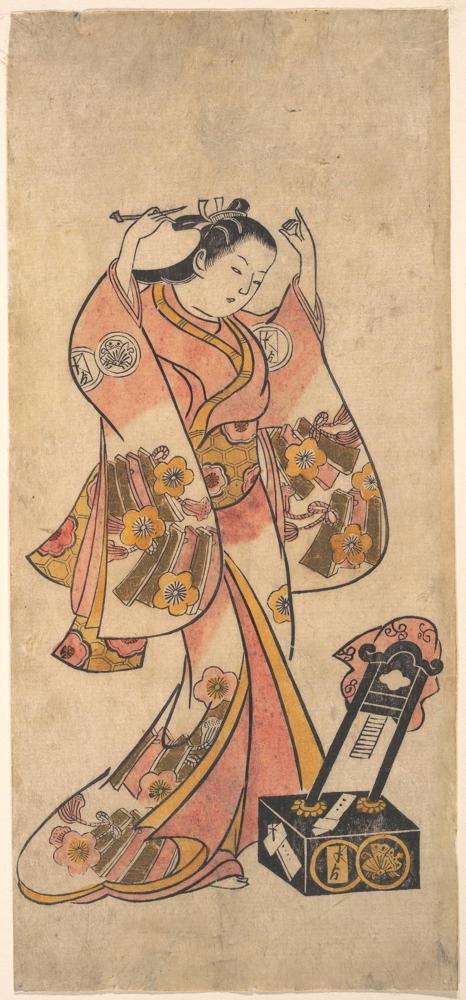
Torii Kiyomasu II: Sanjō Kantarō as a Woman Arranging Her Hair Before a Lacquer Mirror(before 1763)
——
ScaryProsperity
“…an Artificial Intelligence insistent upon improving our future far beyond what we can presently imagine.”
This Prosperity Story finds us standing on the precipice of the greatest discoveries in history, and discovers that every transformative Prosperity has always arrived kicking and screaming, with the naysayers dominating the discussion right up until the undeniable success makes them disappear.
In this Prosperity Story, I considered how we stand on the precipice of the greatest discoveries in the history of this world so far. This might be why every day seems so imperiled right now. With the promise of even modest Prosperity, externalities seem to become more prominent. Most Americans were Tories during the Revolution. People in the past would have preferred rearranging their sock drawers over throwing their support behind the terrifying forces insistent on inflicting change. AI might represent the perfect foil. Its definition seems incomprehensible; it means something different to everyone who encounters it, and it features the worst public relations in the sorry history of public relations. Yet AI has already been implicated in the greatest expansion of medical treatments in history. The pace of discovery will only accelerate from here. Even the scariest Prosperity will be more persistent than we could possibly imagine unless our imagination gets help from an Artificial Intelligence insistent on improving it far beyond what we can presently imagine.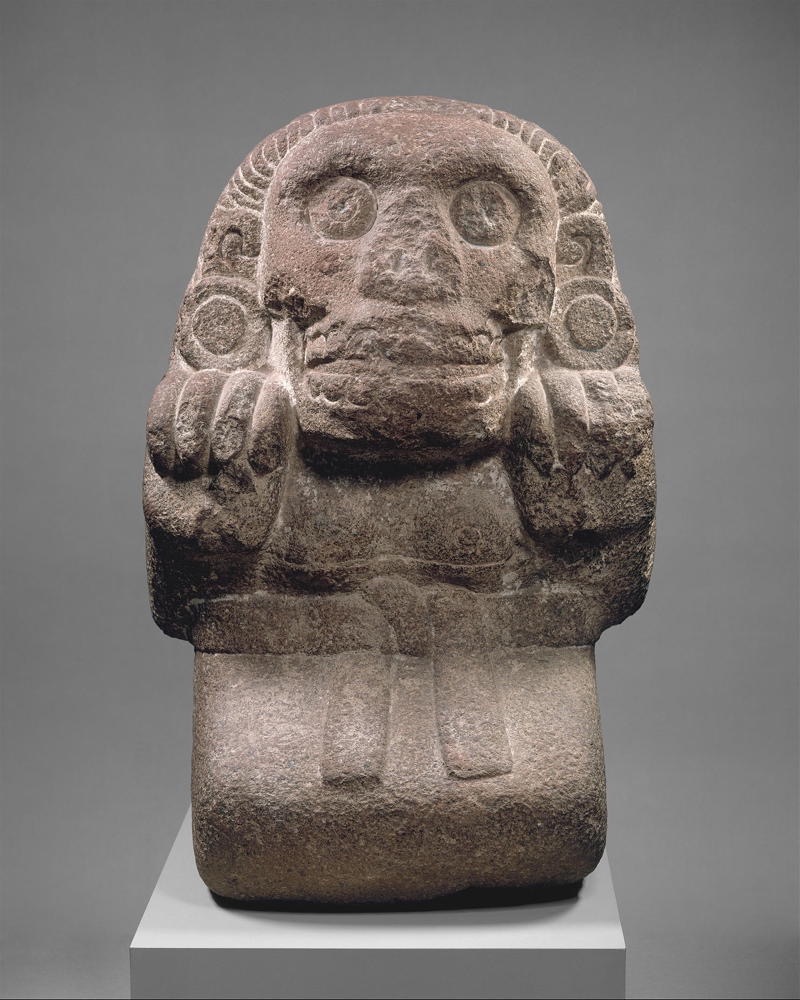
Unknown Mexica (Aztec) Artist Cihuateotl (15th–early 16th century)
——
Restoring
“Restoring Prosperity properly refocuses its inherent potential.”
This Prosperity Story finds Prosperity Restoring on two fronts simultaneously: The Muse walking back into her garden six weeks after bilateral ankle surgery, and the pickup truck toodling out to a farm market after its anti-theft resurrection.
In this Prosperity Story, I considered how what was undone might be redone, and how what seemed irrevocably lost might be capable of Restoring. Six weeks and change after The Muse broke both ankles, her osteopath released her from the boots. She very tenderly took a few tentative steps and carefully climbed the deck steps instead of scooting up them on her butt. It was finally her garden again, worse for her absence but far better for her return. My mechanic refused to charge anything for his trouble. The auto parts store clerk restored the battery’s anchor and even installed it for me without charging a nickel, beaming when I thanked him. I took a toodle out to a farm market and U-picked beans for supper, feeling as prosperous as Croesus, maybe more. ProsperityLost wounds more deeply than Restoring Prosperity ever suspects. Much of the richness Prosperity holds comes from first experiencing its absence. Prosperity naturally expands beyond its originating boundaries. That might be all it ever does. Restoring Prosperity properly refocuses its inherent potential.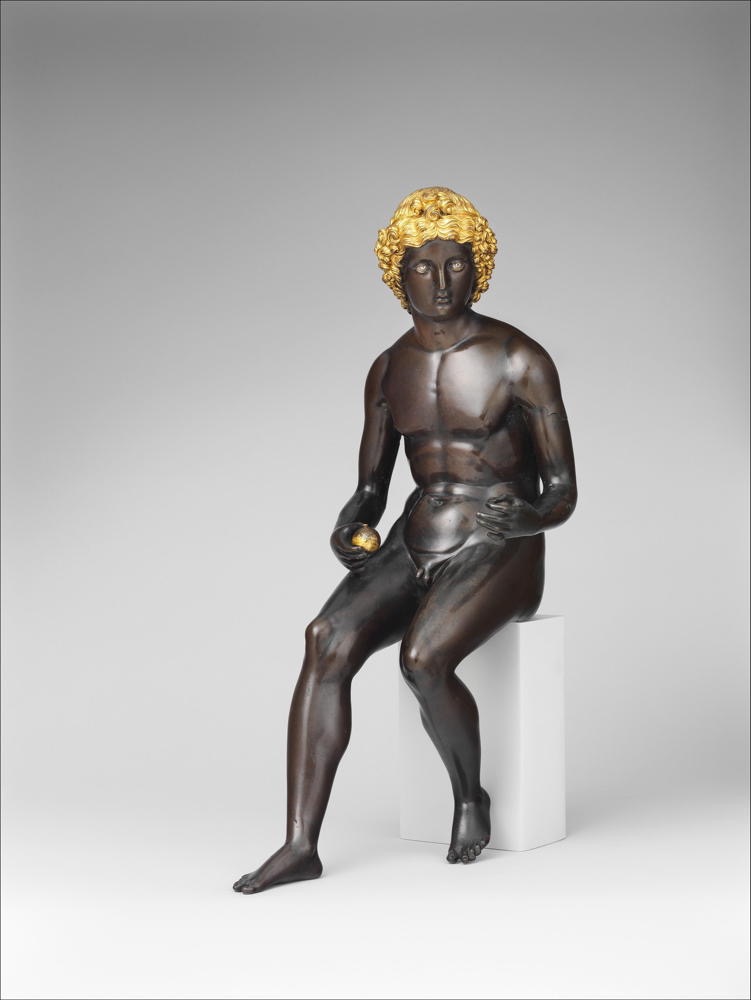
Antico (Pier Jacopo Alari Bonacolsi): Paris (ca. 1518–1524)
——
In Its Own Form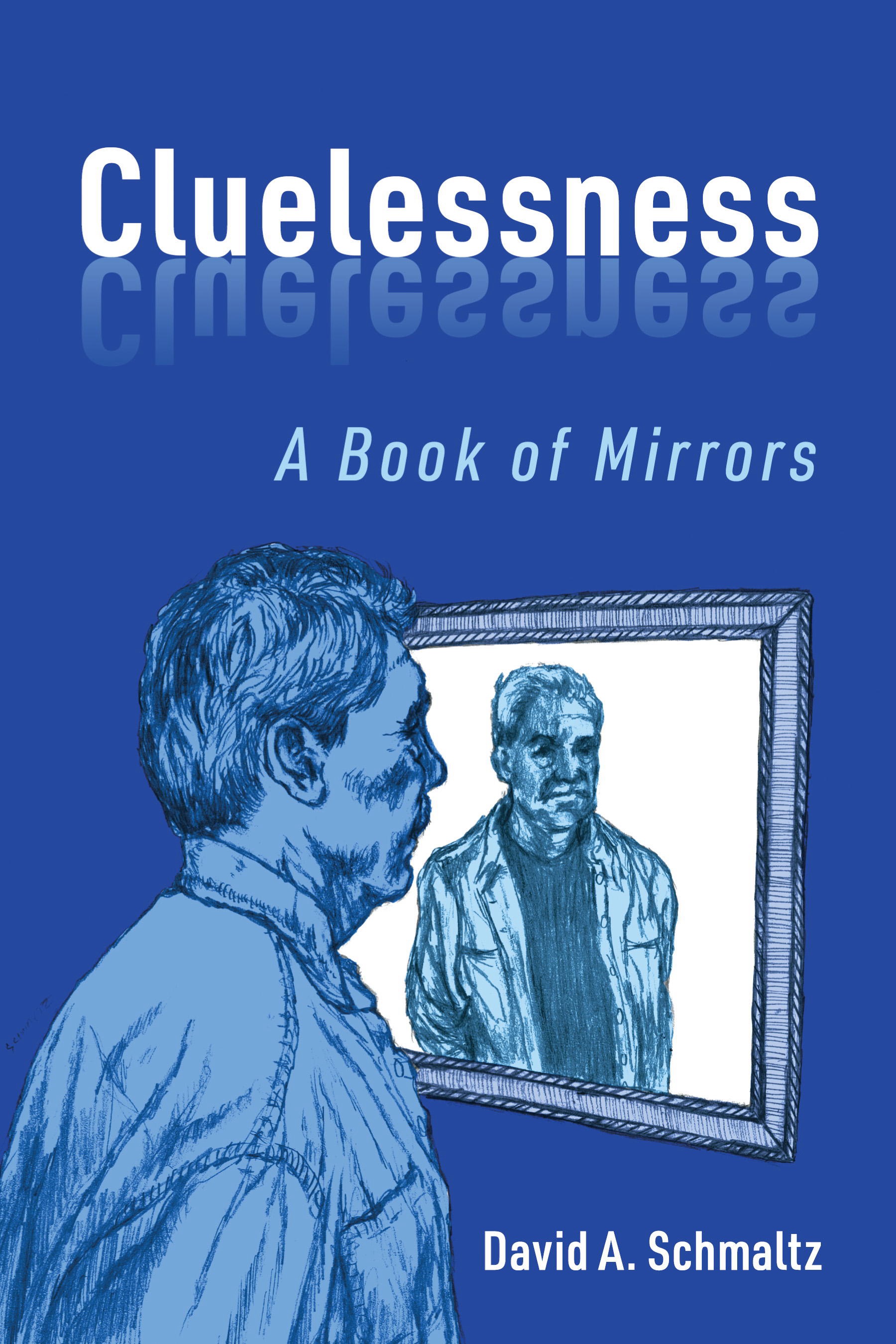
This writing week’s question for my Third Party Perspective Editor: How did this week’s writing promote the Prosperity Series, and what seemed new and/or different?
This week the series did what only a series in its final approach can do: it gathered everything together without announcing that it was doing so.
Legacy named the bill. Cascades explained why the fall happened faster than anyone could register. Unsecurity demonstrated the paradox of defensive Prosperity through the most domestic possible vehicle, a truck that locked out its own owner. PresumptiveProsperity acknowledged the epistemological foundation beneath it all: we operate on explanatory stories we mistake for understanding until disconnection reveals the fiction. ScaryProsperity turned toward what comes next and found it both terrifying and magnificent, the most hopeful installment the series has produced. And Restoring delivered what the series had been earning across eighty-nine installments: The Muse walking back into her garden, the pickup running again, the mechanic who wouldn’t take a nickel, and U-picked beans for supper.
What was new this week? The series found its resolution register without abandoning its honesty. Restoring doesn’t pretend the ProsperityLost wasn’t real or that the recovery is complete. It simply demonstrates, through the most ordinary possible evidence, that Prosperity naturally expands beyond its originating boundaries, and that that might be all it ever does.
What was different? The Third Party Perspective Editor has little left to add. The series knows what it is now. Two installments remain, and they will arrive as arrivals rather than discoveries, the practice delivering what it always has, on its own schedule, in its own form.
— — —
Thank you for following along!
— —
You can order Cluelessness from Bookshop.org, Powell’s Books, or Amazon. Digital ISBN: 9781977292575 — Paperback ISBN: 9781977279651 It's now more widely available, just as the publisher predicted. There's this Kindle link. Link To Publisher's Website Here
I employed Claude.ai, a commercial AI-powered text editor, using it to perform repetitive copy/pasting work and to create the above story summaries, prompting with: “Please briefly summarize this story in the first person while retaining the original voice.” I manually copy-edited each result.
©2026 by David A. Schmaltz - all rights reserved
Good For A Goose

Comeuppance (19)
Decency (90)
Decency Unscrolling (1)
EndDays (92)
Exiled (90)
Fambly (93)
FollowingChapters (93)
Grace (92)
Humor (2)
iAlogue (1)
Letters to the Editor (1)
NextWorld (91)
Personal (18)
Prosperity (94)
Steam Festival (4)
Unscrolling (89)
Vaporized (6)
Work (16)
September 2026
August 2026
July 2026
June 2026
May 2026
April 2026
March 2026
February 2026
January 2026
December 2025
November 2025
October 2025
September 2025
August 2025
July 2025
June 2025
May 2025
April 2025
March 2025
February 2025
January 2025
December 2024
November 2024
October 2024
September 2024
August 2024
July 2024
June 2024
May 2024
April 2024
March 2024
November 2006
October 2006
September 2006
August 2006
July 2006
June 2006
May 2006
April 2006
March 2006
February 2006
January 2006