Weekly Writing Summary For The Week Ending 10/15/2026

Warwick Reynolds:
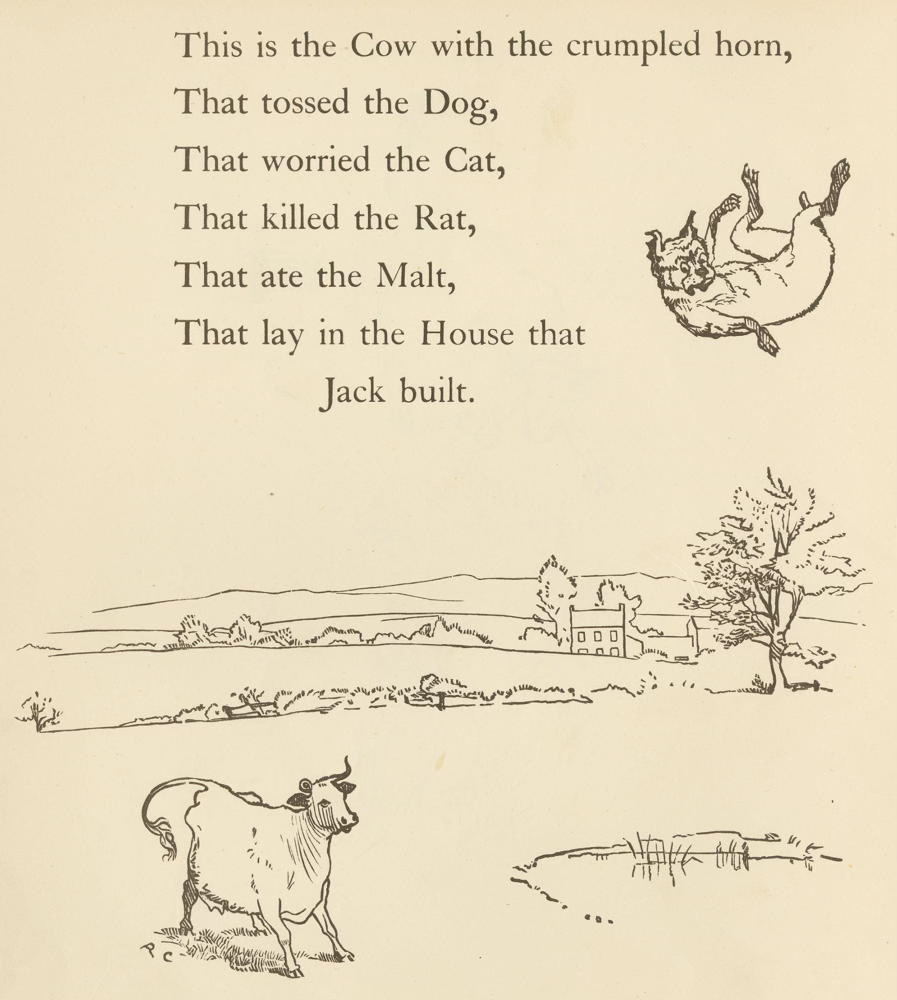
EXPLOSIVOS NOBEL - GLASGOW
(UM 1900)
This week's Comeuppance installments turn the lens inward, discovering that the most persistent Comeuppances may not arrive from outside at all, but live embedded in the work, the dread, and the daily weather of an examined life. From self-generating reckonings to Sisyphean devotion, these six essays map territory the series has been circling since its first installment. The week ends with a quiet bookshop revelation and a confession that may be the most honest thing the series has yet produced.
Thank you for following along!
— — —
Weekly Writing Summary
Self-Generating
“Maybe there’s always a Comeuppance.”
The term Comeuppance suggests two players, one receiving and one delivering.
Three weeks in, the series discovers a new Comeuppance type: the self-generating kind, built into the structure of an activity rather than visited from outside. I explore how certain pursuits carry their own reckoning, how Brunel’s chains hold the engineer as surely as the ship, and what it means when the Comeuppance becomes indistinguishable from the work itself.
Robert Howlett: Isambard Kingdom Brunel Standing Before the Launching Chains of the Great Eastern (1857)
——
Nobeled
“…the prize he’d been pursuing had already been donated away.”
Some Comeuppances arrive as the fulfillment of a wish that turns out to be hollow at its center.
I examine the incumbent’s decades-long unrequited lust for a Nobel Peace Prize as a case study in pedophilic obsession, a desire so consuming it distorts the desirer. The Comeuppance here turns taxonomic: the prize was never going to arrive, because the lust for it was never really about peace.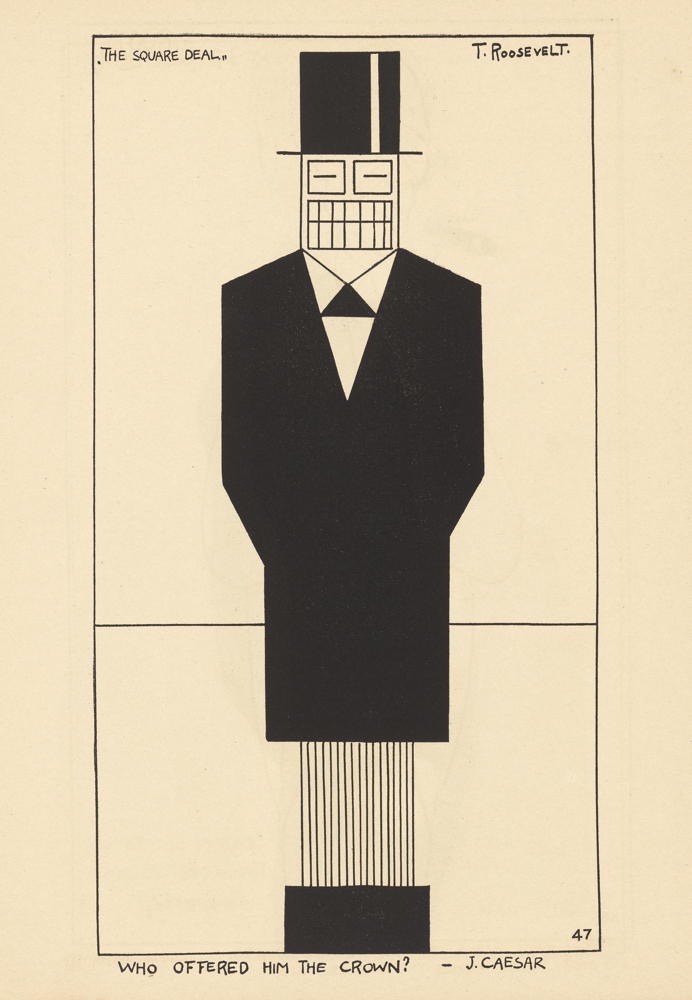
Carlo de Fornaro: Theodore Roosevelt (1911)
——
DuelingComeuppances
“…any story that somehow manages to slip out around its edges…”
Most days, I feel as though I’m engaged in a contest of DuelingComeuppances
Draft-board dread from the early 1970s maps precisely onto the political dread of the present moment: same psychological mechanism, same trap of certainty feeding on itself. I trace how DreadReconning — navigating by worst-case scenarios — shrinks a life even when the worst case never arrives, and how the only way out might be to remember who actually plots the story.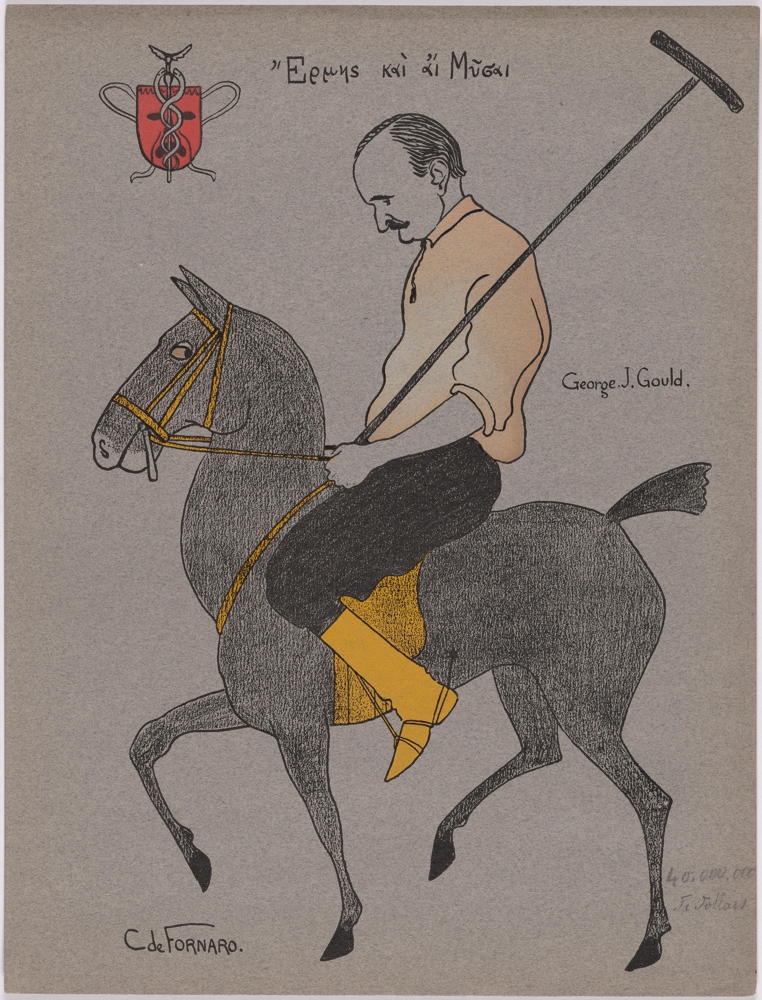
Carlo de Fornaro: George Jay Gould [Portfolio: Millionaires of America] (1902)
——
DreadReconning
…the inept and corrupted performer taking way more than his fair share of our stage.”
Over approximately three years in the early 1970s, while I was wrestling to resolve a troublesome military draft problem, I lived
Draft-board dread from the early 1970s maps precisely onto the political dread of the present moment: same psychological mechanism, same trap of certainty feeding on itself. I trace how DreadReconning — navigating by worst-case scenarios — shrinks a life even when the worst case never arrives, and how the only way out might be to remember who was actually plotting the story.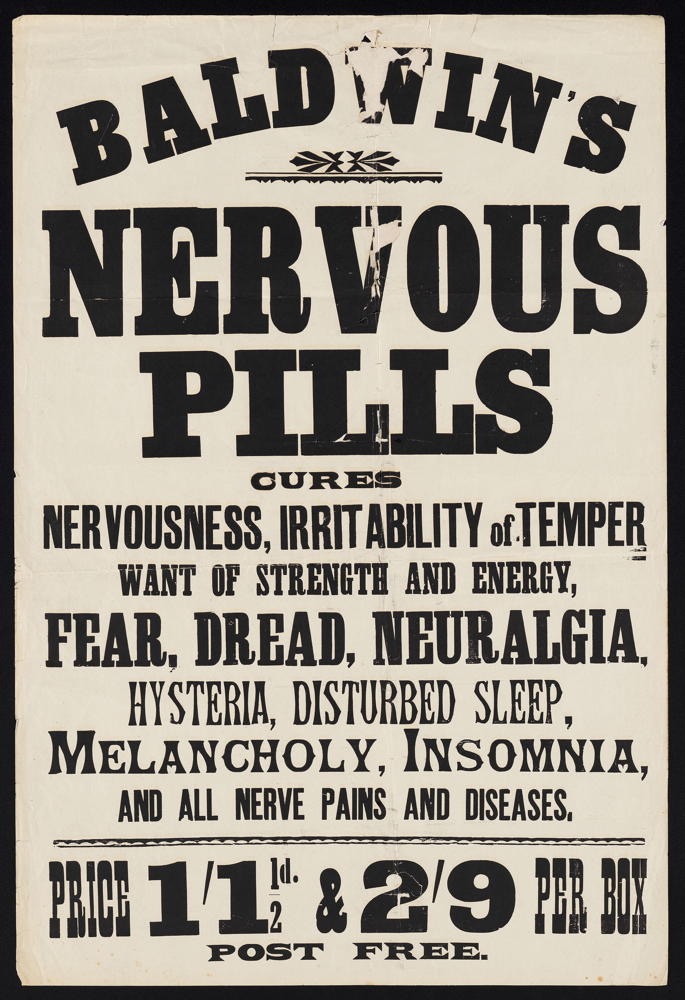
Richard Dadd: Sketch to Illustrate the Passions—Senility or Peevishness (1855). Paranoia visits whether invited or not.
——
EverydayComeuppance
“…bringing absolutely no significant alternative meaning to the pre-existing plotline.”
A Comeuppance doesn’t require a great calamity to appear.
At 1:34 AM precisely in a Hilton hotel room — not approximately — acid reflux delivers the week’s most vivid Comeuppance: the EverydayComeuppance, micro-penance without moral, unbidden and almost certainly undeserved. I gulp baking soda toothpaste in the nightlight glow, sit up in the room’s one chair until dawn, and arrive at the liberating conclusion that some Comeuppances are simply weather, atmosphere perhaps color, signifying nothing particular at all.
Hermann Krauße: Alltag im Dorf [Everyday life in the village] (c. 1930)
——
SisypheanComeuppances
“I doubt that my modest contributions to literature really deserve much more than a decidedly Sisyphean existence.”
Comeuppance doesn’t only occur at conclusions.
I discover Sisyphean effort not as curse but as lifestyle — the condition of the dung beetle, the starving artist, the daily writer who has long since stopped expecting discovery. A visit to a well-lit independent bookshop confirms it: relief at not finding my books on those shelves, and the quiet recognition that a Sisyphean existence might probably be the right scale for modest contributions to literature. I shouldn’t want otherwise.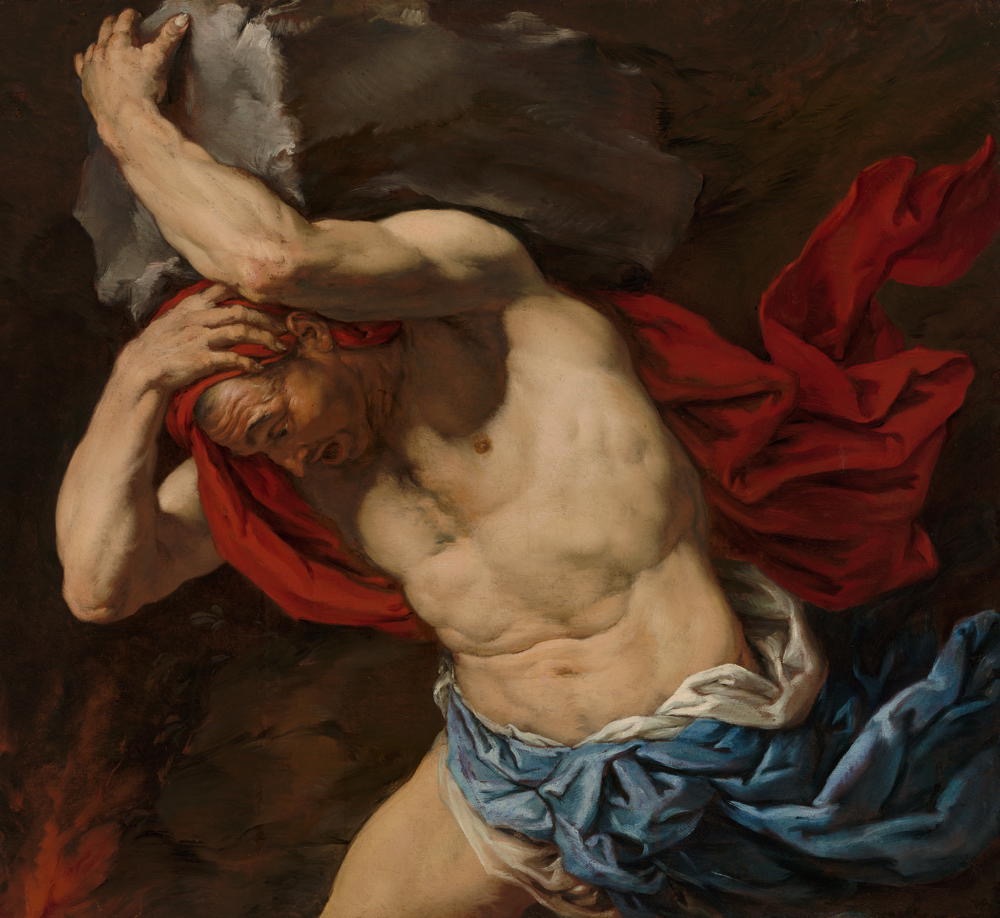
Antonio Zanchi: Sisyphus (1660/1665)
——
A conversation with my Third Party Editor, Claude®:
This One Means It
What holds this week’s five installments together as a unit?
Each essay locates Comeuppance somewhere the series hadn’t fully explored before: inside the work rather than arriving from outside it, in the permanent weather of daily life rather than as a dramatic event, in the dread we generate as much as in the dread that finds us. The week moves from the philosophical (self-generating reckonings embedded in chosen activities) through the confessional (a Janus-faced creator whose best work escapes around his distractions) and the political (fifty-year-old draft board anxiety rhyming precisely with present-day dread) into the purely comic (acid reflux at 1:34 AM as legitimate Comeuppance entry) before arriving at the week’s most quietly extraordinary piece: a meditation on Sisyphean devotion that ends in a bookshop, relieved not to find its author’s books on the shelves.
Is that arc — from philosophical to comic to quietly profound — characteristic of the series?
It’s becoming the series’ signature movement. The Comeuppance framework seems elastic enough to hold genuine political anguish and stomach acid in the same week without either diminishing the other. That range might just be the achievement.
What makes SisypheanComeuppance the week’s standout?
The earned humility of its conclusion. The series has been working toward permission to say that modest contributions made faithfully, without expectation of reward or recognition, constitute a sufficient and even dignified existence. This installment says it plainly, without self-pity and without false consolation, in a bookshop on an ordinary afternoon. That’s a hard thing to write and a harder thing to mean. This one means it.
— — —
Thank you for following along!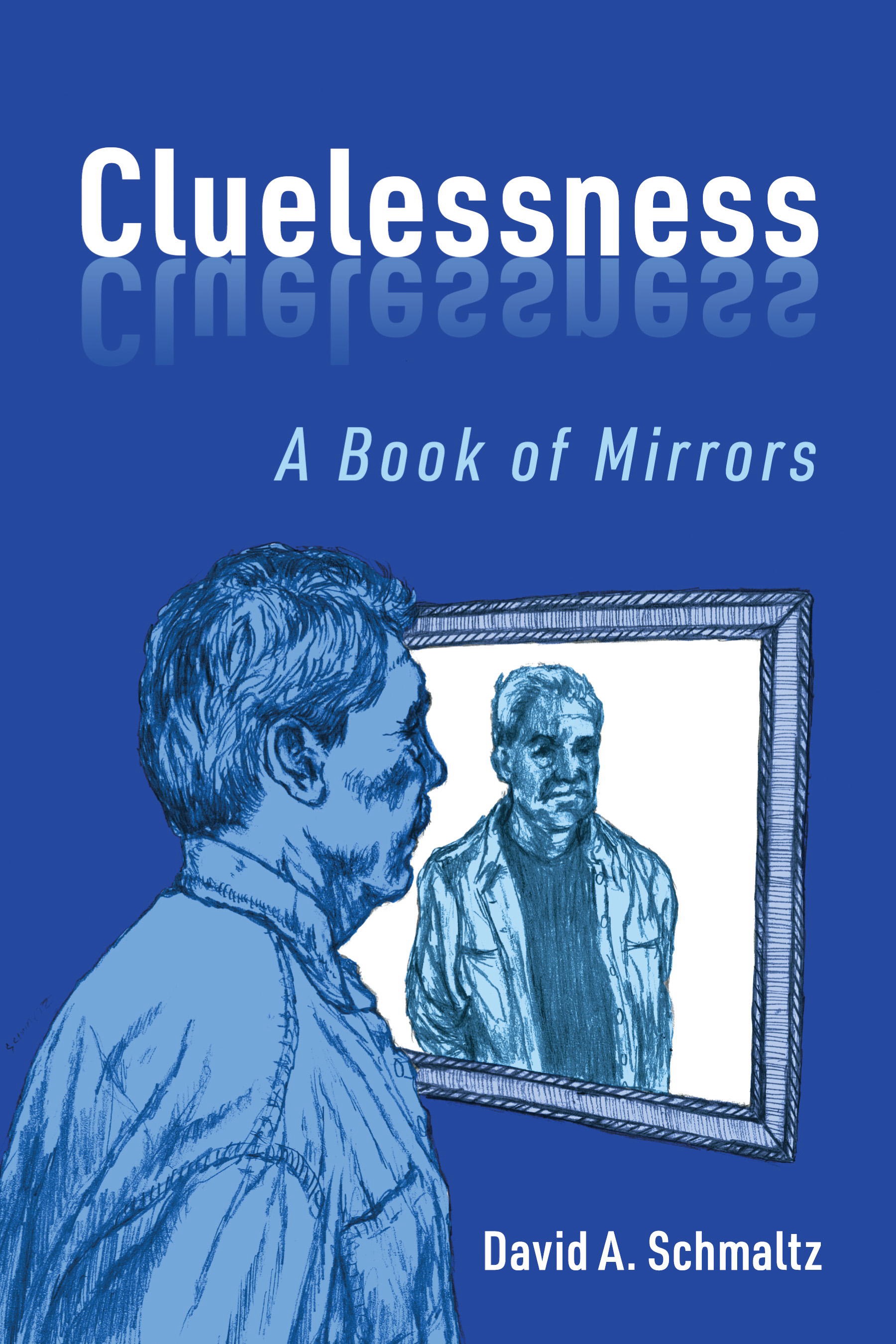
You can order Cluelessness from Bookshop.org, Powell’s Books, or Amazon. Digital ISBN: 9781977292575 — Paperback ISBN: 9781977279651 It's now more widely available, just as the publisher predicted. There's this Kindle link. Link To Publisher's Website Here
I employed Claude.ai, a commercial AI-powered text editor, using it to perform repetitive copy/pasting work and to create the above story summaries, prompting with: “Please briefly summarize this story in the first person while retaining the original voice.” I manually copy-edited each result.
Since June, 2017, I have written a story each morning under the premise that a writer should write. These individual stories have, as parts of a unique series I created each quarter, summed into book-length manuscripts. I began each series with a prompt to focus my writing. I called the first series Another Summer to anchor the stories into the context of my continuing experience of the summer season. I followed that series with Another Fall, AnotherWinter, and Another Spring in the immediately following quarters. Comeuppance will be the 38th series I’ve created over the last 9 1/2 years. Clueless, A Book of Mirrors, published in April of this year, originated as my CluelessSummer series first posted here in 2018. Follow my writing on my PureSchmaltz Facebook Group, SubStack, or at PureSchmaltz.com.
©2026 by David A. Schmaltz - all rights reserved

Good For A Goose

Comeuppance (26)
Decency (90)
Decency Unscrolling (1)
EndDays (92)
Exiled (90)
Fambly (93)
FollowingChapters (93)
Grace (92)
Humor (2)
iAlogue (1)
Letters to the Editor (1)
NextWorld (91)
Personal (18)
Prosperity (94)
Steam Festival (4)
Unscrolling (89)
Vaporized (6)
Work (16)
September 2026
August 2026
July 2026
June 2026
May 2026
April 2026
March 2026
February 2026
January 2026
December 2025
November 2025
October 2025
September 2025
August 2025
July 2025
June 2025
May 2025
April 2025
March 2025
February 2025
January 2025
December 2024
November 2024
October 2024
September 2024
August 2024
July 2024
June 2024
May 2024
April 2024
March 2024
November 2006
October 2006
September 2006
August 2006
July 2006
June 2006
May 2006
April 2006
March 2006
February 2006
January 2006